Scroll down for Astronomy Pictures.
|
|
Clearance Sale!
|
|
|
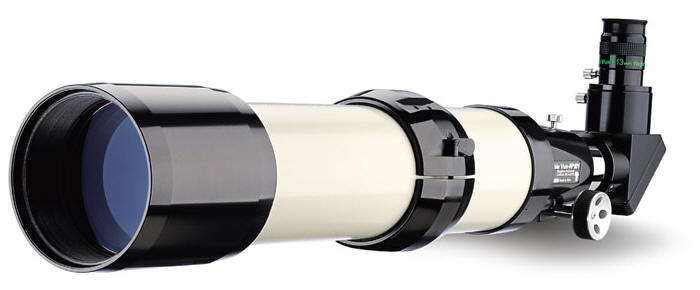
These new in the box old stock demonstrator eyepieces were |
|||||||||
| Part Number | Model |
Shipping Weight |
Price | Clearance Price | ||||||
| Part Number | Model |
Shipping Weight |
Price | Clearance Price | ERD-14.0 | 14.0 Radian | 2 lbs | $295 | $150 | |
| BWC-2200 | 2x BIG Barlow 2" | 2 lbs | $300 | $175 | ||||||
| ETH-08.0 | 8.0 Ethos | 3 lbs | $780 | $535 | EN4-17.0 | 17.0 Nagler Type 4 | 4 lbs | $530 | $345 | |

|
|
Porta Mount
Includes $80 AVT-1011 Vixon/Tele Vue/Coronado Mount Adapter
$880
Value Limited Special Only $249 |
 |
| Features a new design
friction system allowing quick slewing to objects and 360 degree slow-motion
controls for tracking. No fumbling with clutches or sectional slow-motion
that run out of travel. Leave the heavy counterweights with the equatorials:
simply balance scope on the altitude axis and start viewing. Standard Vixen dovetail mounting slot with lock and safety screw is fully SPHINX/GP -compatible. Mounting slot removes to reveal 1/4-20 and M8-1.25 threaded holes for custom mounting solutions. PORTA Mount features interchangeable slow-motion knobs, tension adjustment and disassembly tool, built-in tool storage bay, tripod tray and aluminum legs. Tripod height to top of tripod base adjusts from 27.75" to 47.75". 47 lbs dimensional weight shipping |
||

|
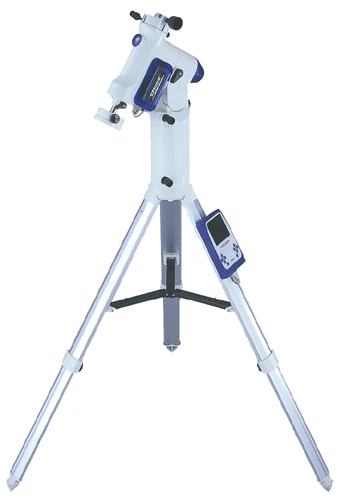
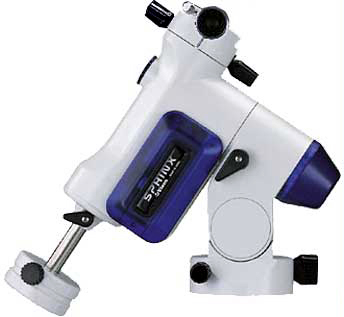
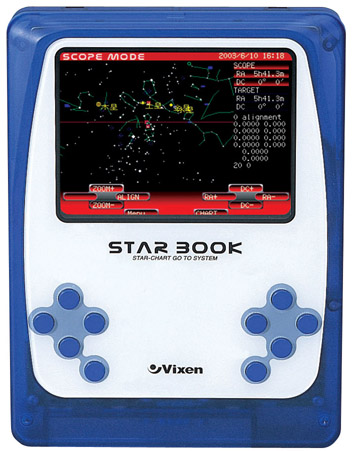
Vixen SPHINX Mount and Star Book |
||||
|
$3855 List Price |
Package Special $999 |
New Old Stock December 2006 |
||
| SXW Mount w/ counterweight 1.9 kg
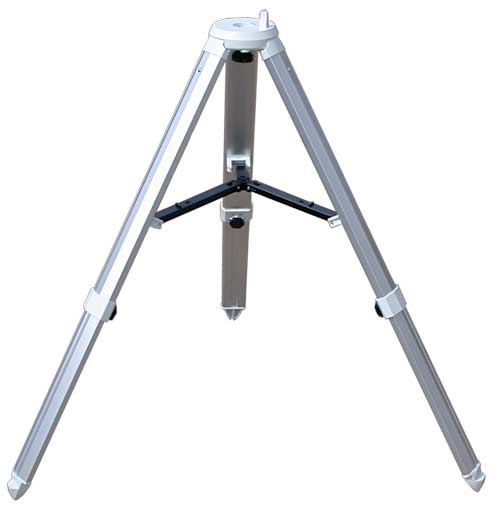
$2280 SX HAL 110 Aluminum Tripod $400 SX Half Pillar $200 AC Adapter 12 volt 3 amp $200 SX Polar Scope 6x2mm w/ illuminator $210 SX Counterweight $60 Triangle Accessory Tray $36 SX-HAL Tripod Carrying Bag $94 SPHINX Aluminum Carry Case $375 |
 |
 |
 |
For more Information: Company7 |
 |
||||
|
Years ago while at an Okie-Tex star party, as a Tele Vue dealer, we had a booth next to photographer Tony Hallas and enjoyed visiting with him. Tele Vue was also there and one night Al Nagler put a newly developed, prerelease 24 mm Panoptic eyepiece on my TV101 telescope. What a treat to view the Pleiades rising above a rock formation with the one and only Al Nagler. http://www.okie-tex.com/ http://astrophoto.com/ http://www.televue.com/engine/TV3b_page.asp?id=3 |
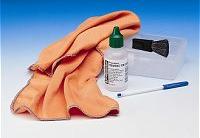 |
Optical Cleaning Kit
|
|
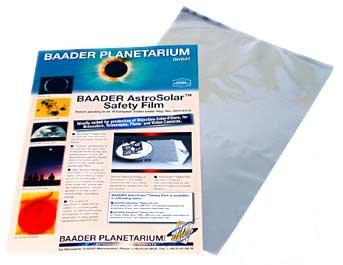
Solar Safety Film
Make your own White Light filter for
viewing sun spots with your binoculars or telescope. Baader AstroSolar™
Filter material and instructions. Use scissors to cut film. Density 5 (0.00001 transmission) - for visual use.
1/2 meter size, 500 x 1000mm (19.7" x 39.4")
AS50HM 2 lbs
$110
Special $49 |
 |
|
Celestron
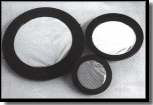
White Light Solar Filters
Limited
Specials Solar Filter N80, N60, F80, F70 fits 3-15/16" tubes 94135 1 lb $50 $38 Solar Filter N4 fits 4.5" diameter tubes 94129 1 lb $60 $45 |
|
|
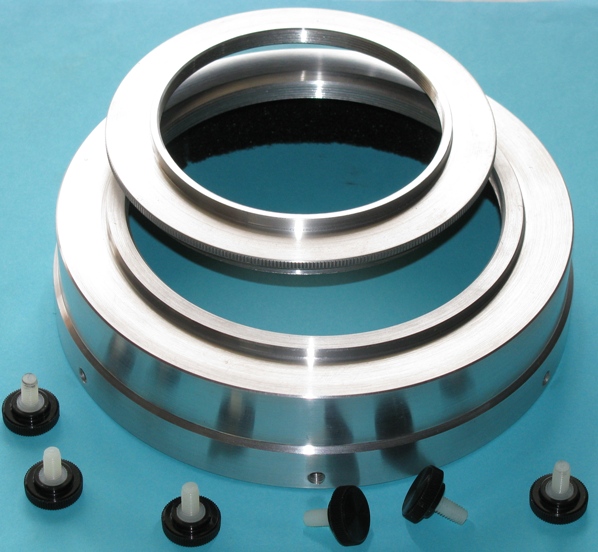
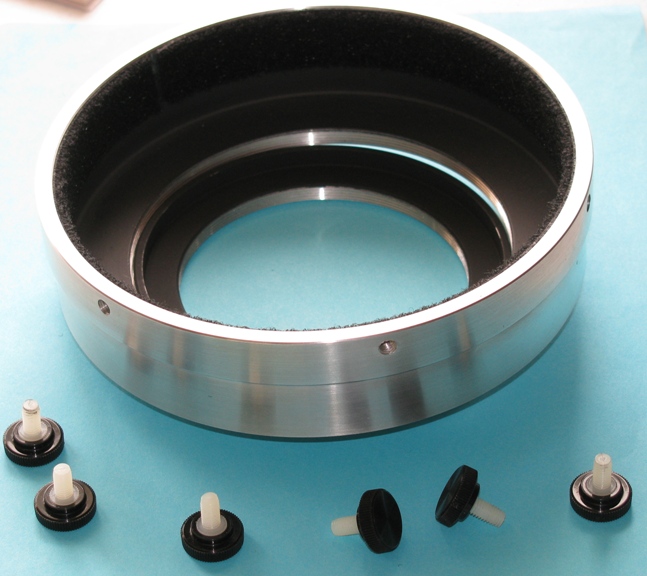
Adapter Plates Use to mount Coronado SolarMax filter to your telescope. |
||||||
| AP185 | DoubleStack Adapter for SM40 Add a same size filter to your existing filter to lower the bandwidth for better contrast of surface features. 1 lb shipping |
$90 |
Special $39 |
 |
||
| AP169 | Vixen/Celestron 102 FL SM90 3 lbs shipping |
$220 |
Special $69 |
 |
 |
|
|
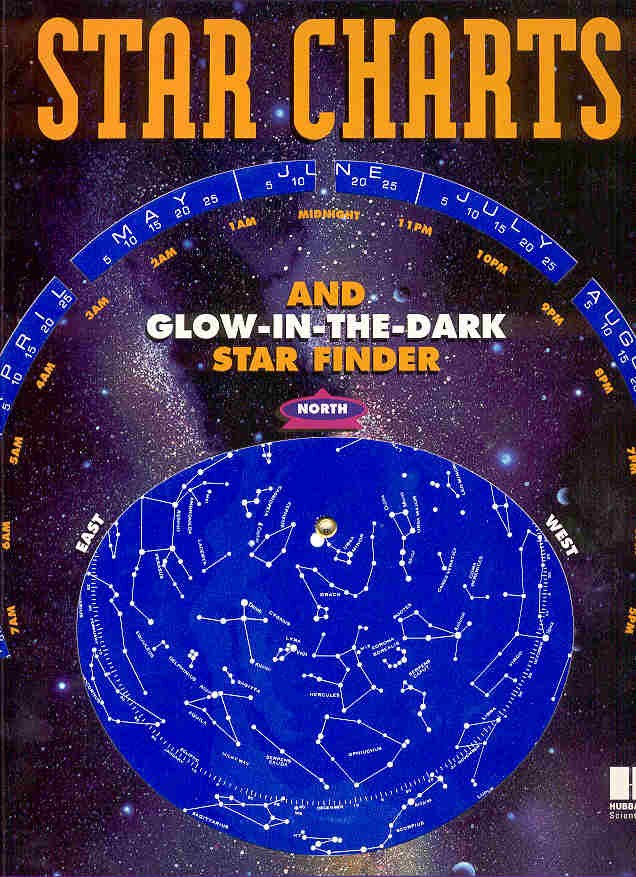
ASTRONOMY Sky Map The front cover has a specially designed luminous planisphere that rotates to simulate the seasonal progression of celestial objects through the sky. When the planisphere is pre-exposed to light, star positions glow brightly against a dark background, mimicking actual constellations. More than a thousand stars and deep-sky objects are listed and charted. The illustrated reference section provides basic information and the visual characteristics of various types of stars, nebulae and galaxies. The maps measure 13¾" x 11½" and are printed on a heavyweight, moisture resistant card stock. Pages have a special comb binding so they can lay flat or be folded over. O107 2 lb $24 Special $10 |
|
|
|
|
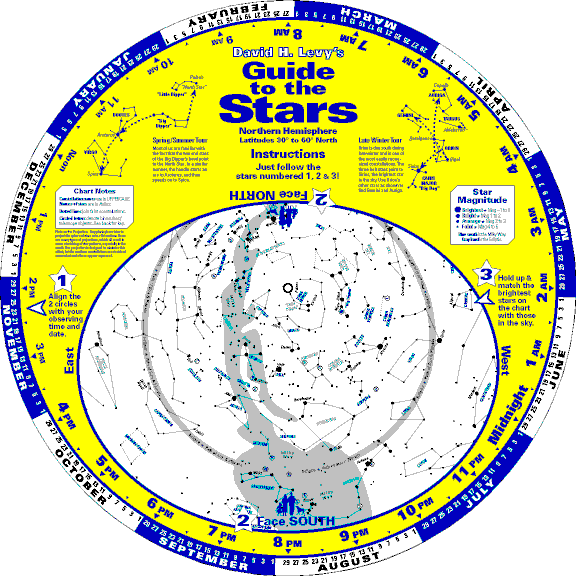
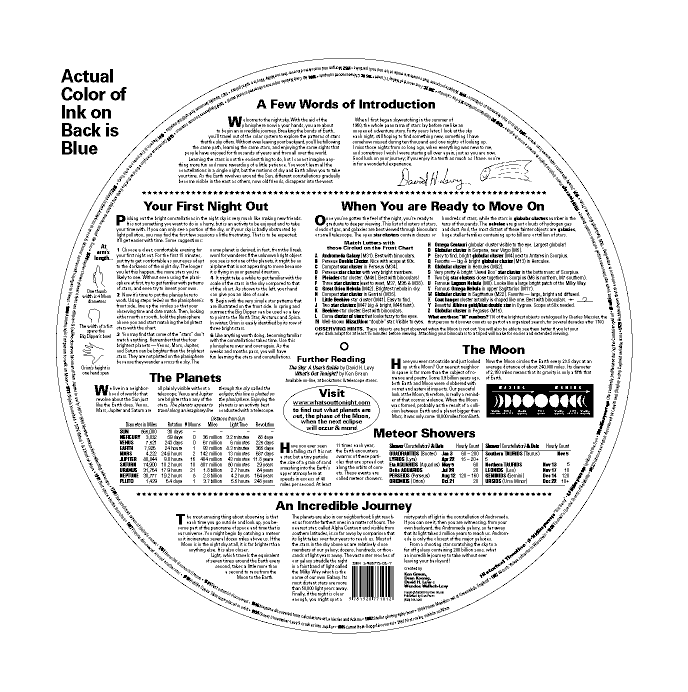
Planisphere David H. Levy Guide to the Stars Largest, most innovative and easiest to read. Circular star chart by famous astronomer - David H. Levy. The back is also loaded with beginner’s information. Waterproof plastic. O105 16" diameter 2 lbs $20 Special $18 |
|
| Binoculars Everyone should have a pair of binoculars whether you have a telescope or not. They are compact, easy to use on a moments notice, portable, handy to keep in your car. Binoculars are sized by the magnification or power and by the diameter of the front lens (objective lens). A 10x50 binocular has 10 power. This makes the image you view appear 10 times larger or 10 times closer. The 50 stands for 50 millimeters (about 2”) diameter objective lens. Large objective lenses gather more light making image brighter, clearer with more detail and are preferred for night use. Optical coatings improve image sharpness and contrast. Coatings vary from Coated, Fully Coated, Multicoated, to Fully Multicoated on the better models. Most models are adaptable to mounting on a tripod for a more steady view. Eye relief is how far back in millimeters you can look and still see the full field of view. Eyeglass wearers need long eye relief. |
Astronomy Pictures Click on each picture for a larger view |
|||||||||||
|
|
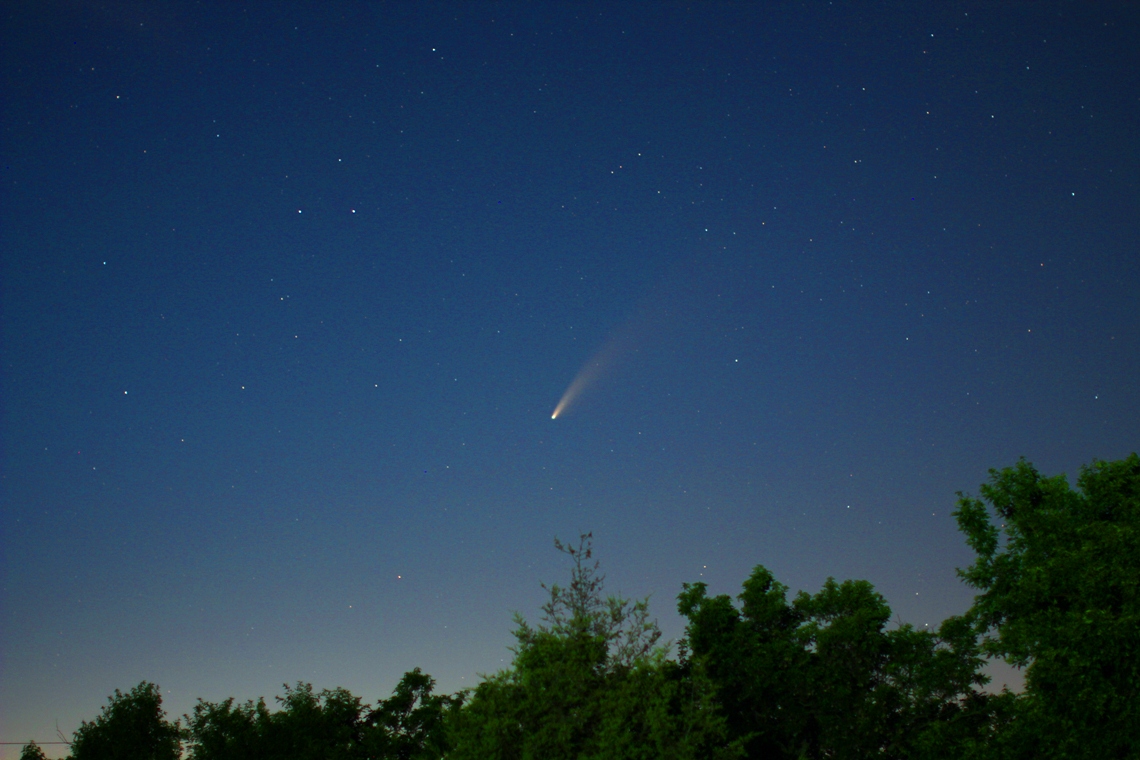
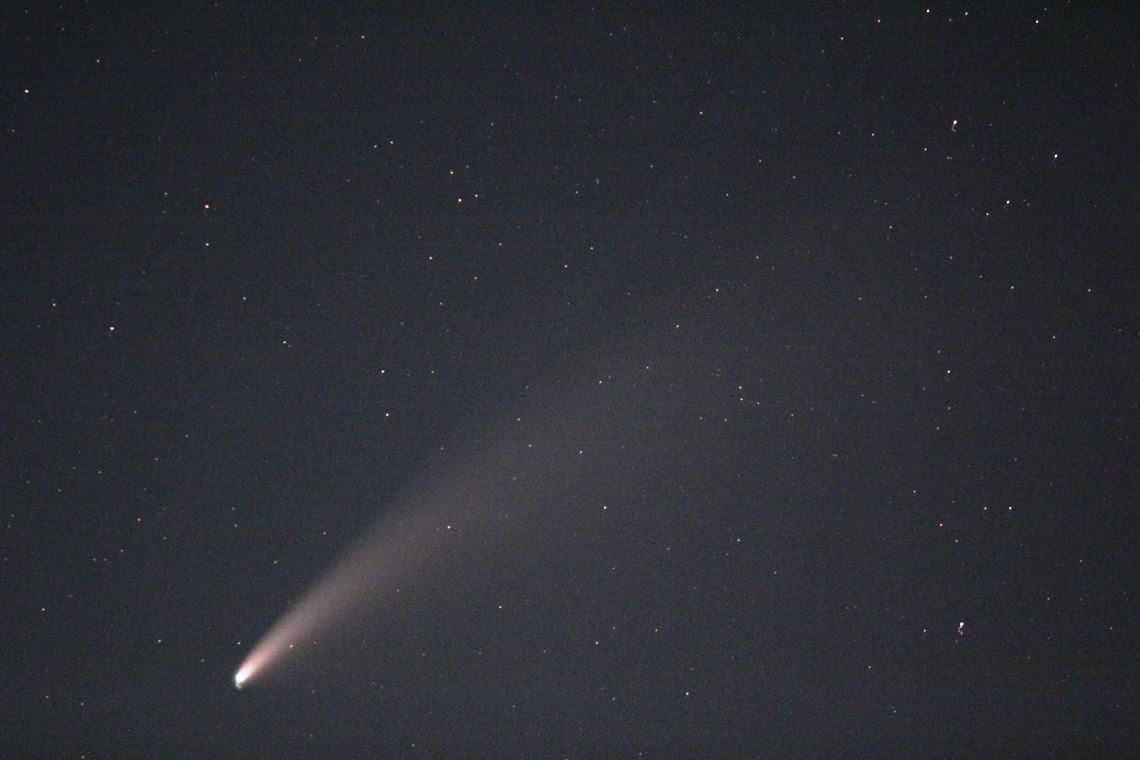
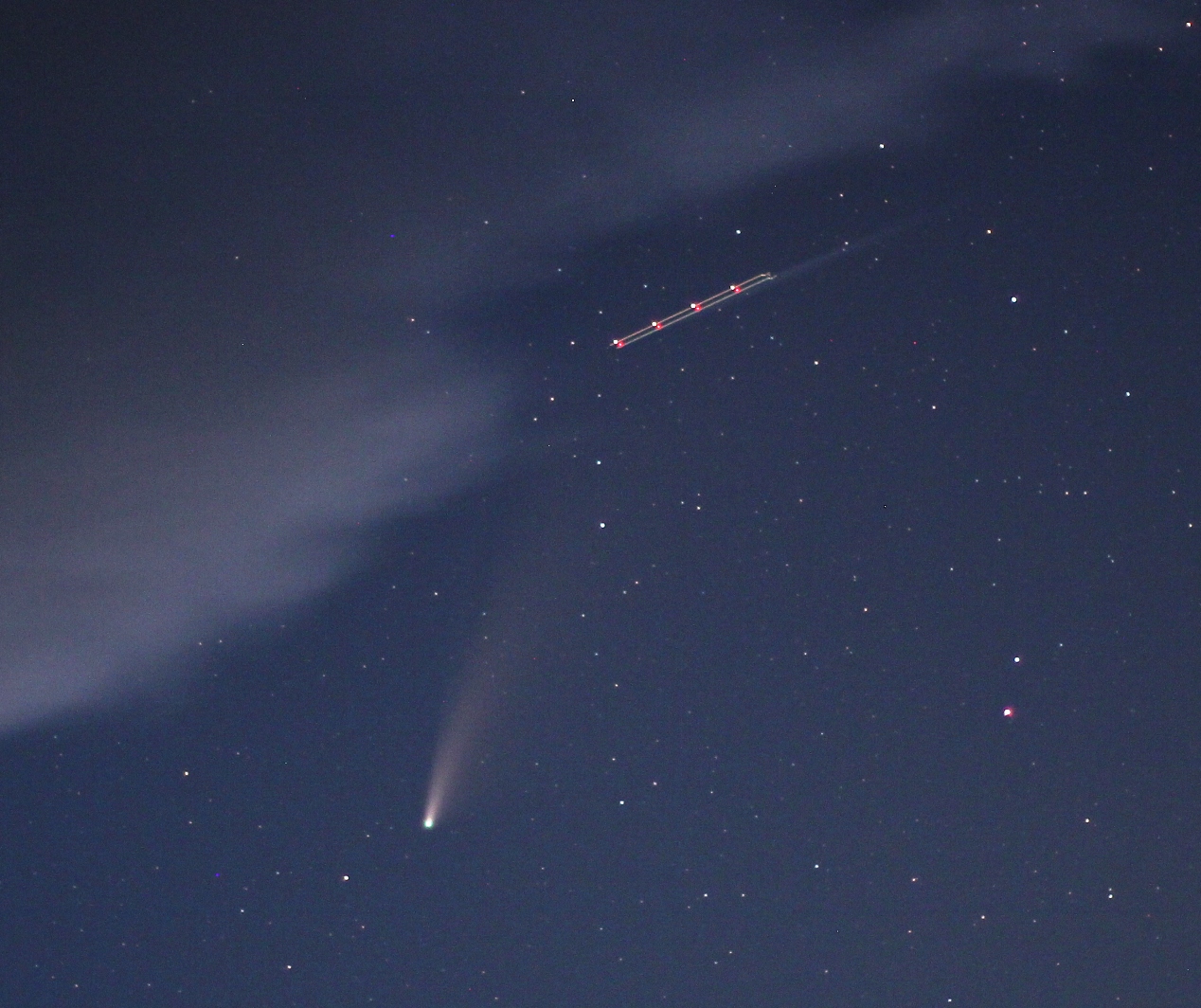
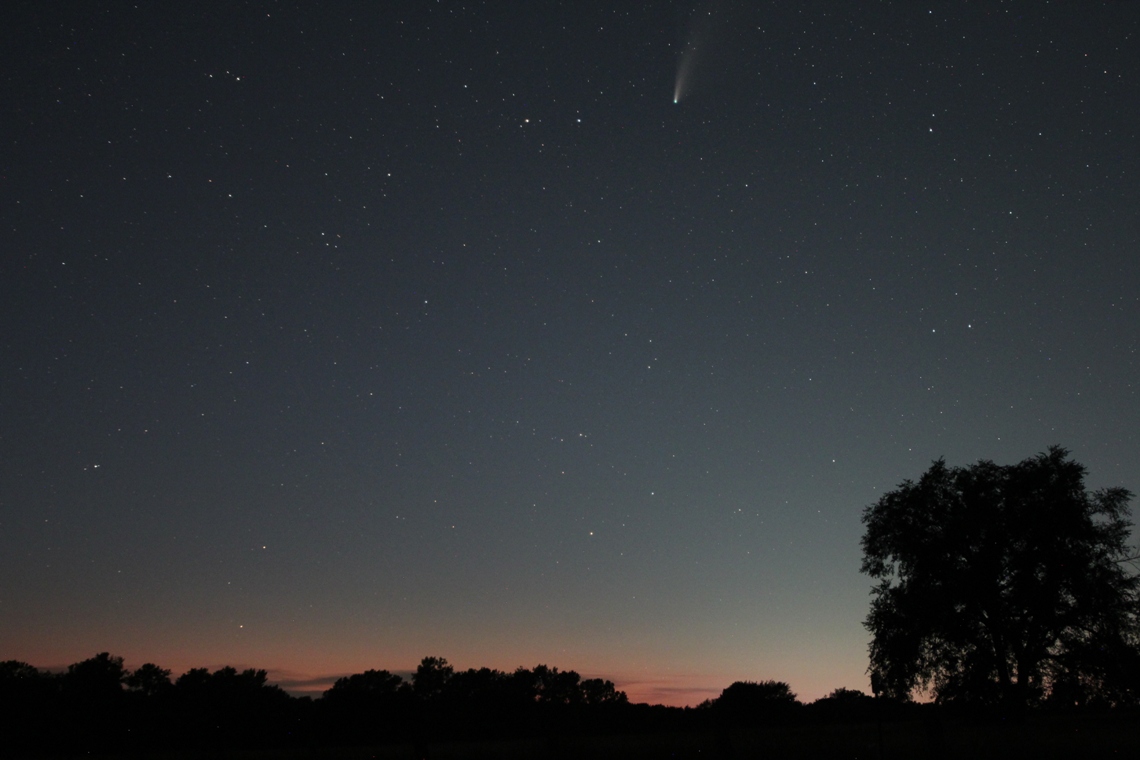
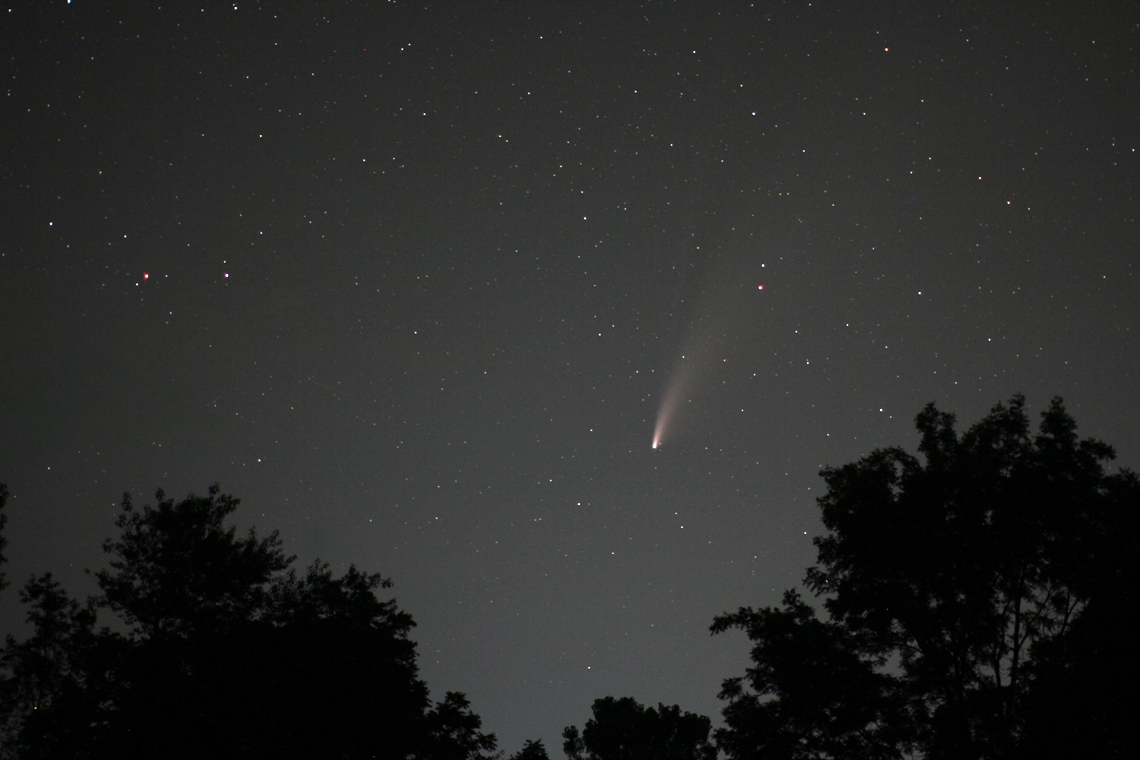
16-23 July 2020 Comet Neowise |
|
 |
 |
 |
 |
|||||
|
|
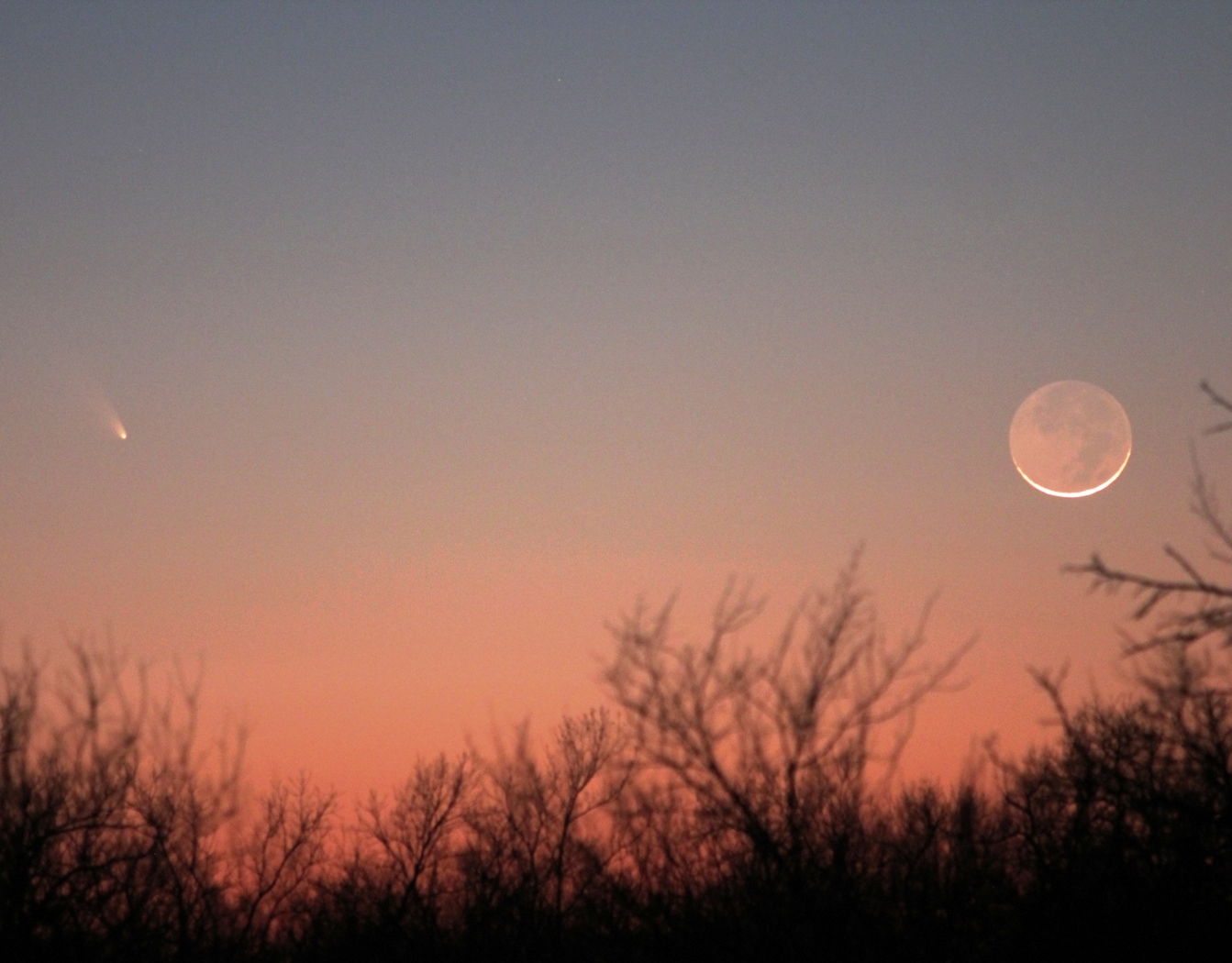
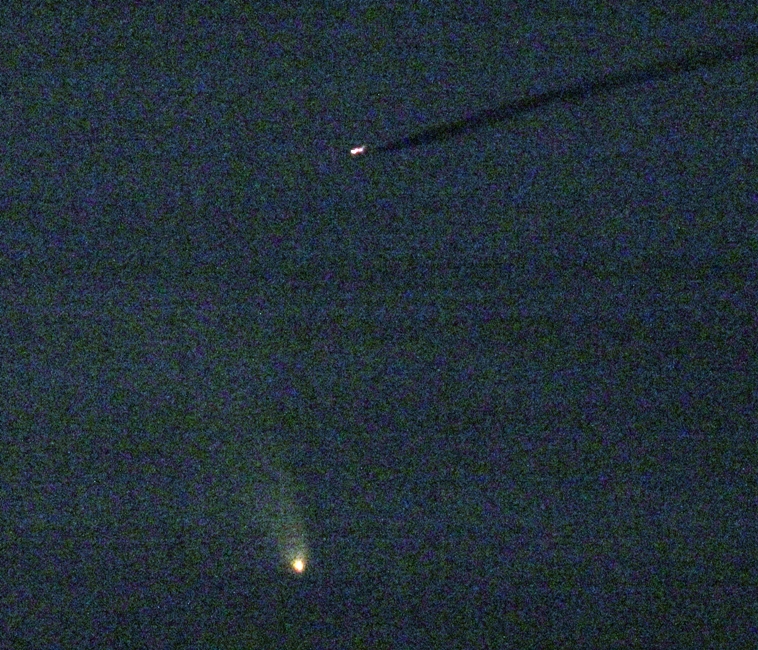
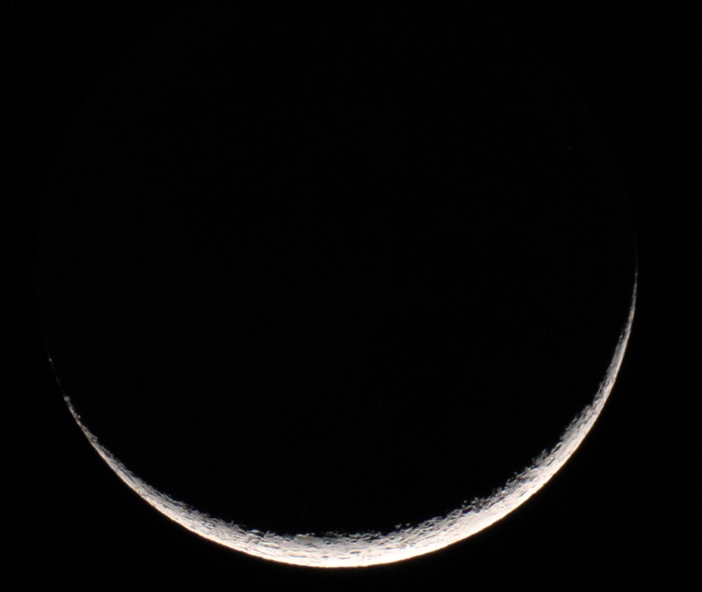
12 March 2013
Comet Pan-STARRS and
Moon with thin crescent and earth shine. Canon 60D, 0.8 seconds, ISO 1600, F2.8, 200mm, fixed tripod. |
 |
 |
 |
|||||||
| Comet and jet | Moon | Moon and Jet | |||||||||

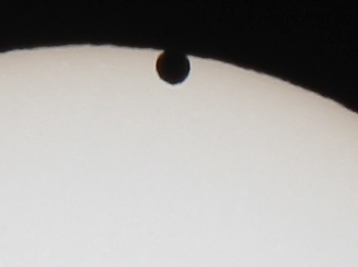 |
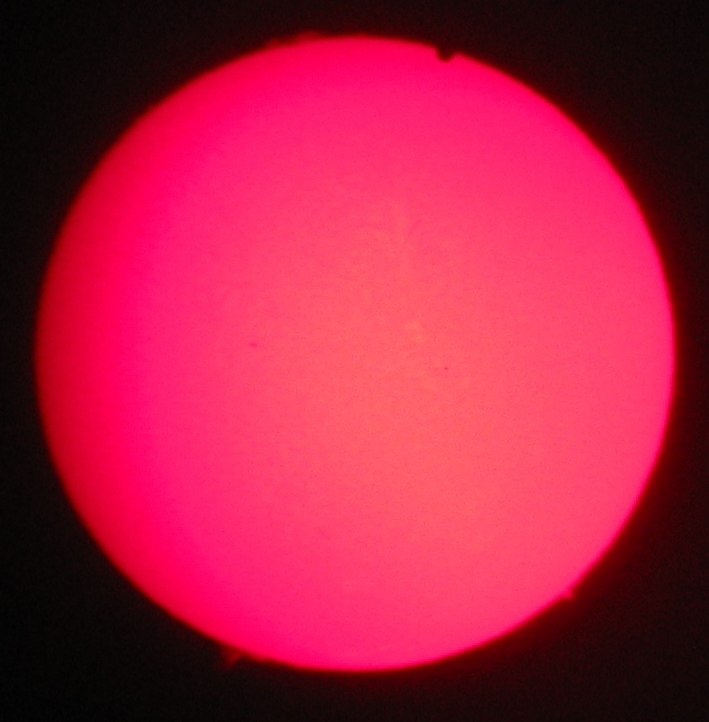
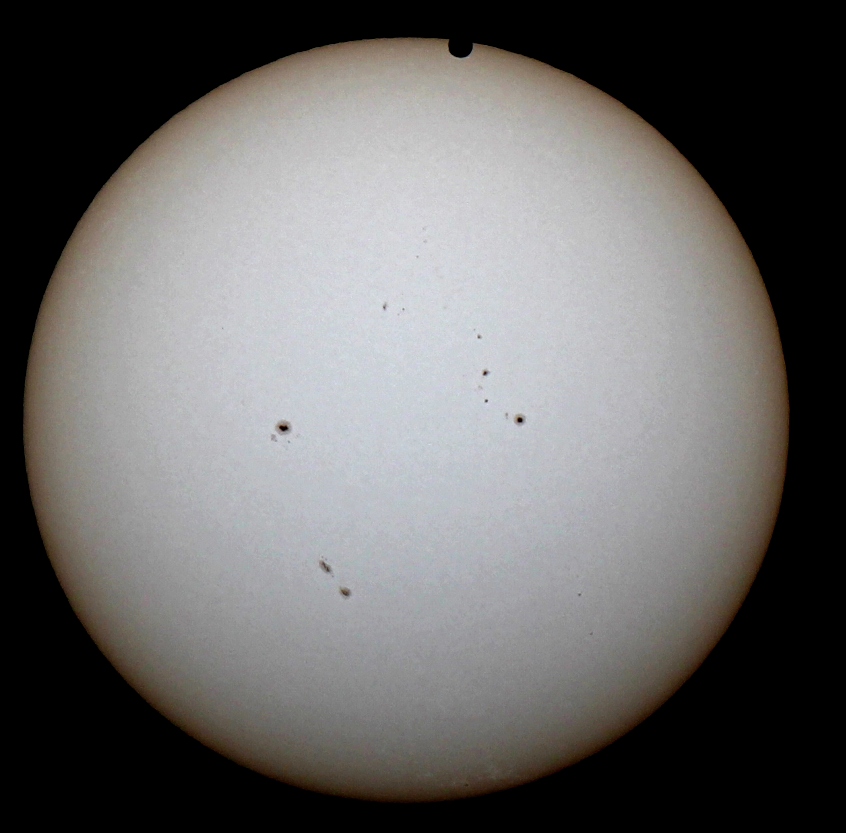
5 June 2012
Venus Transit of the sun. Lasted over 6 hours. The next one is 11 December 2117 Many small sunspots are also visible. |

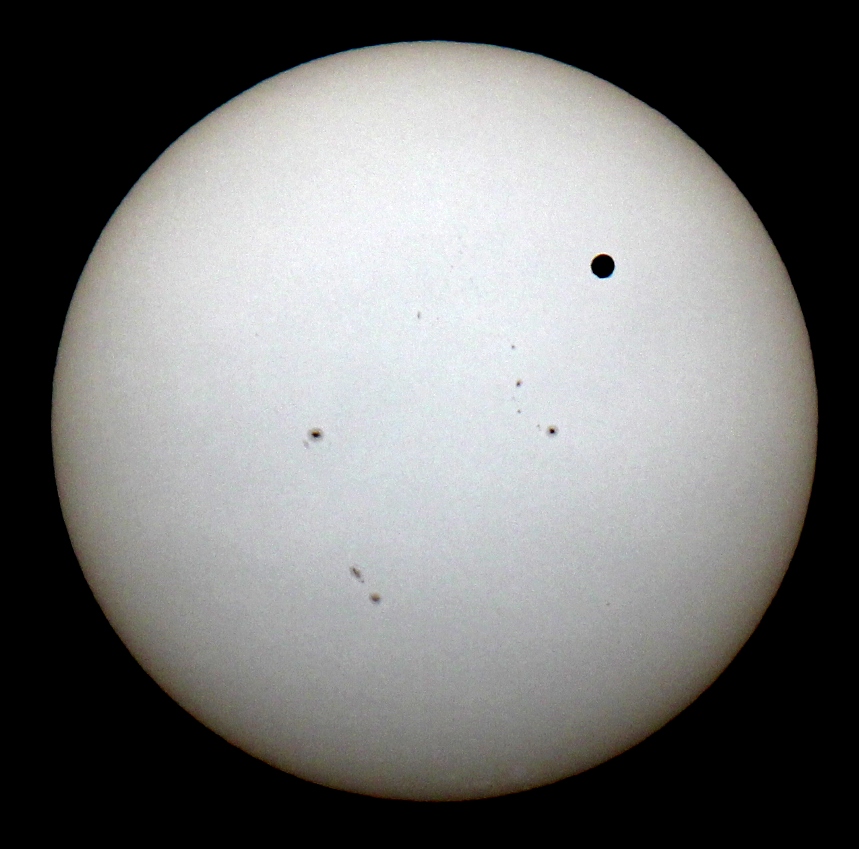 |
|||||||||
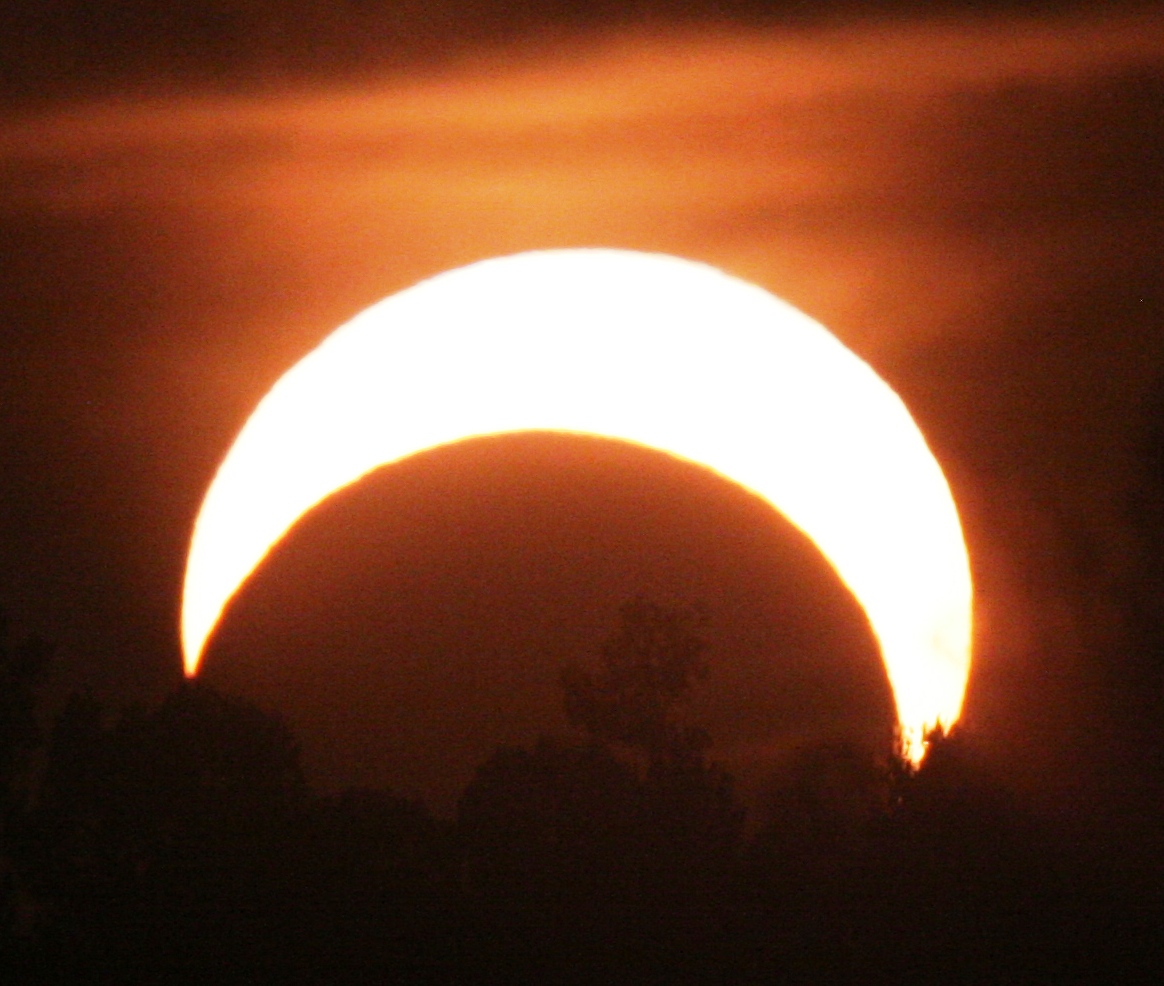 |
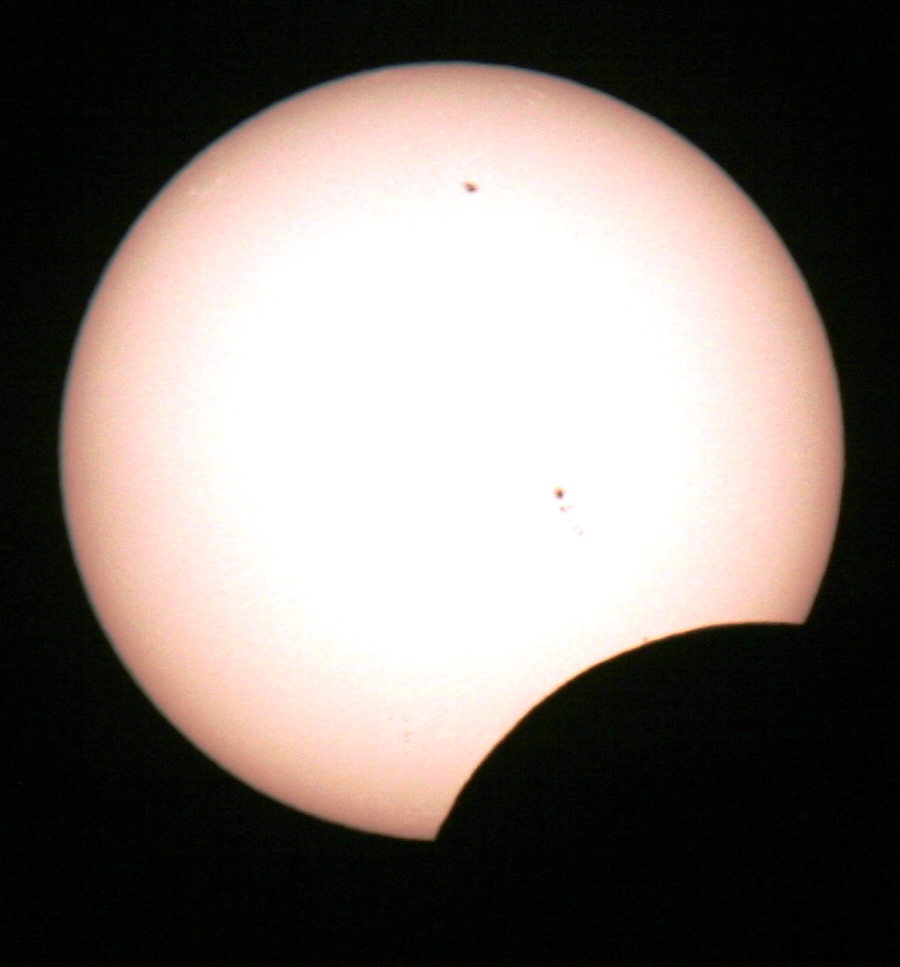
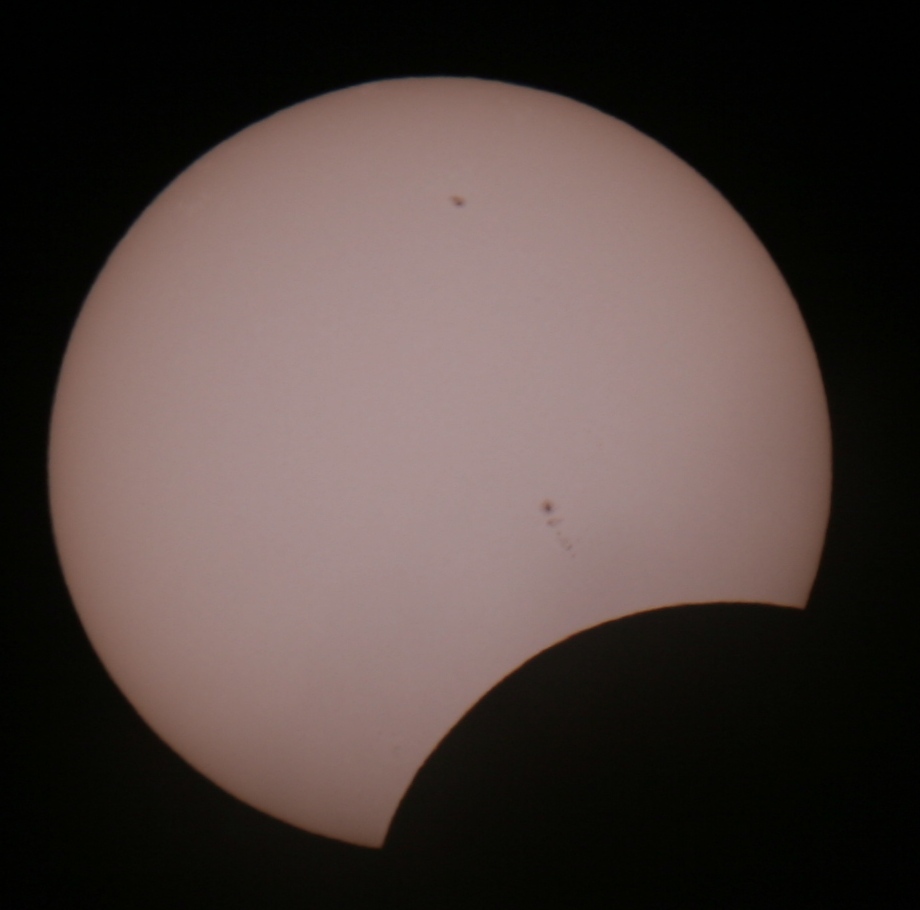
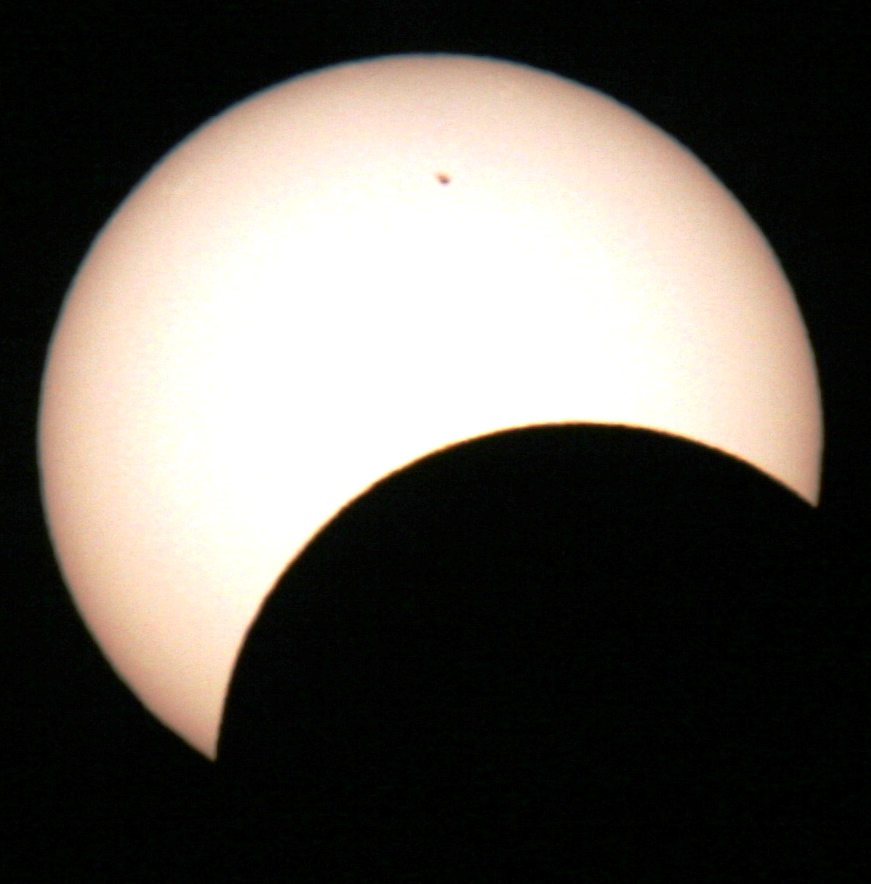
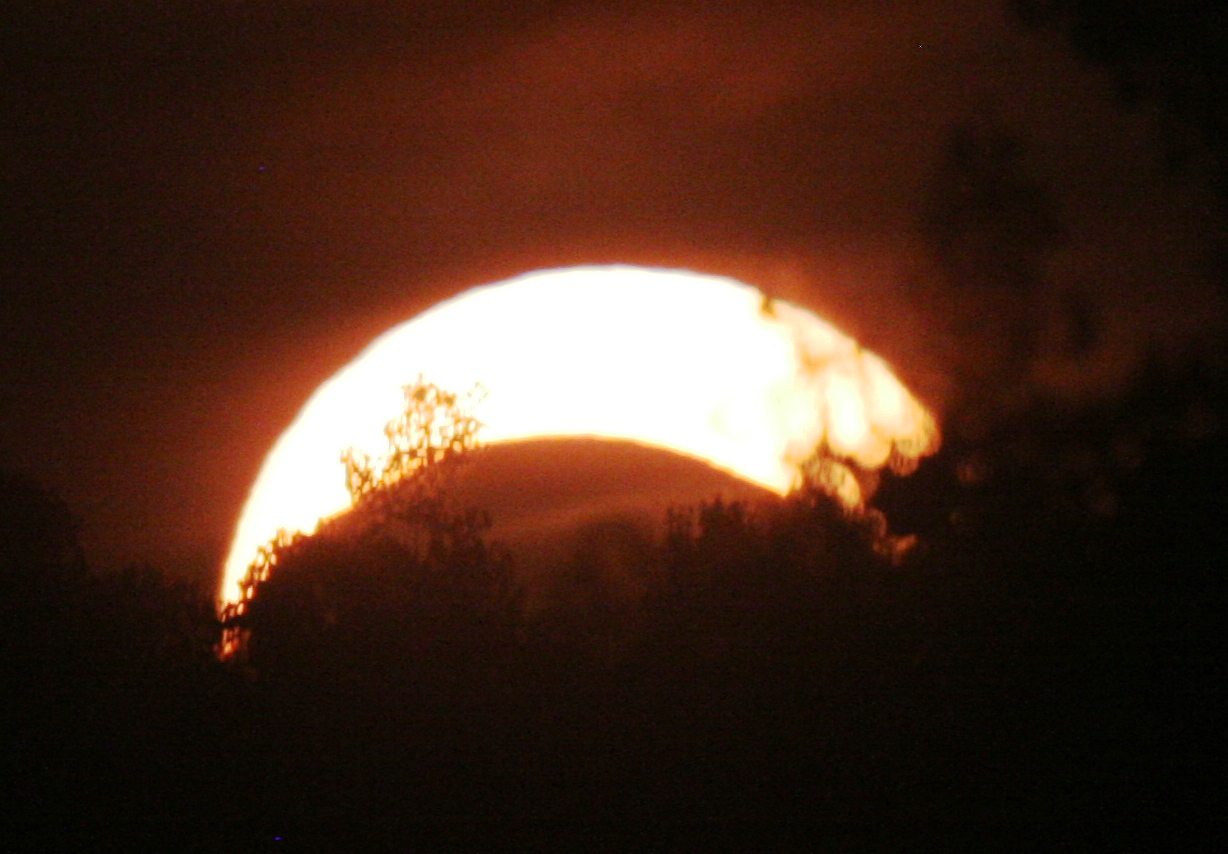
20 May 2012
Partial Solar Eclipse |
  |
|||||||||
 |
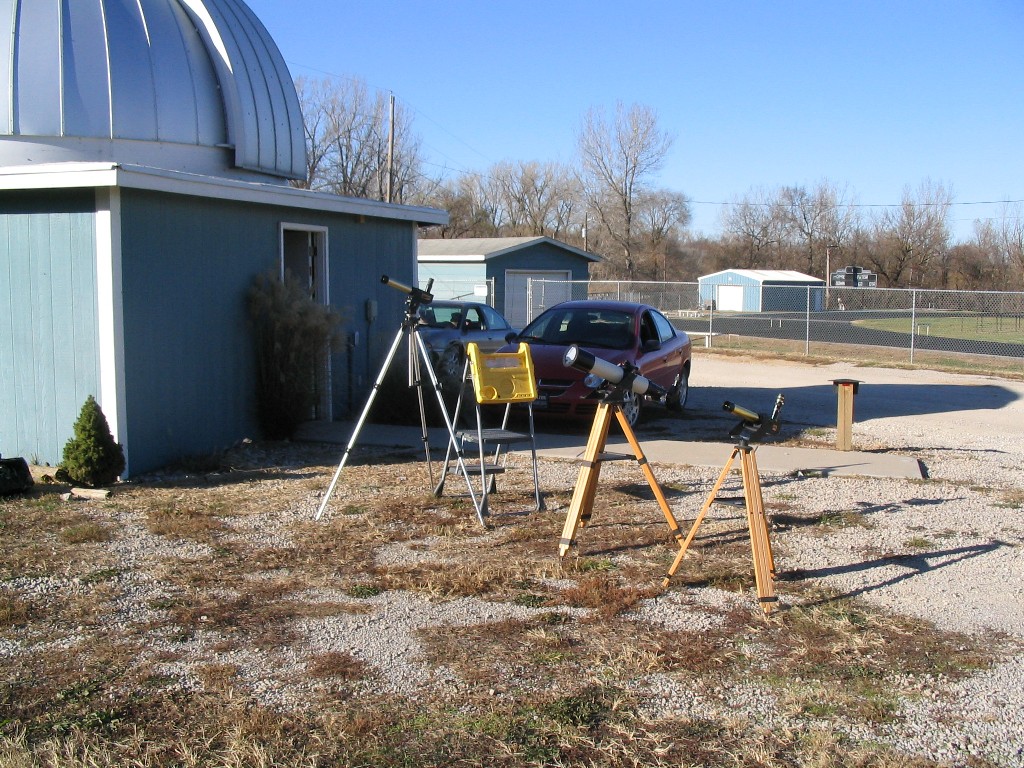
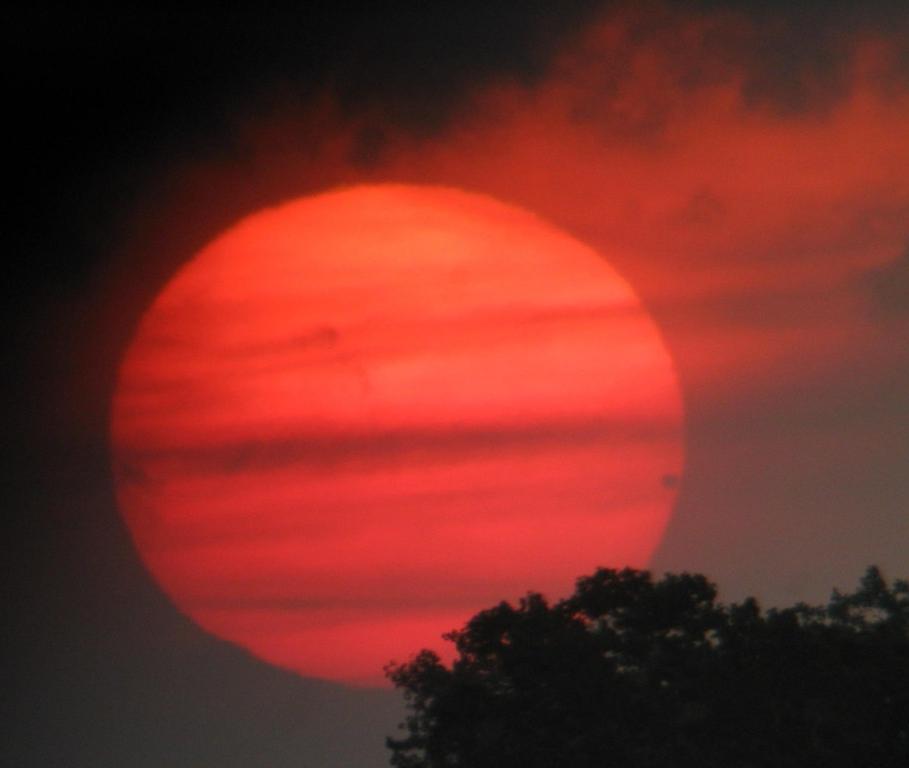
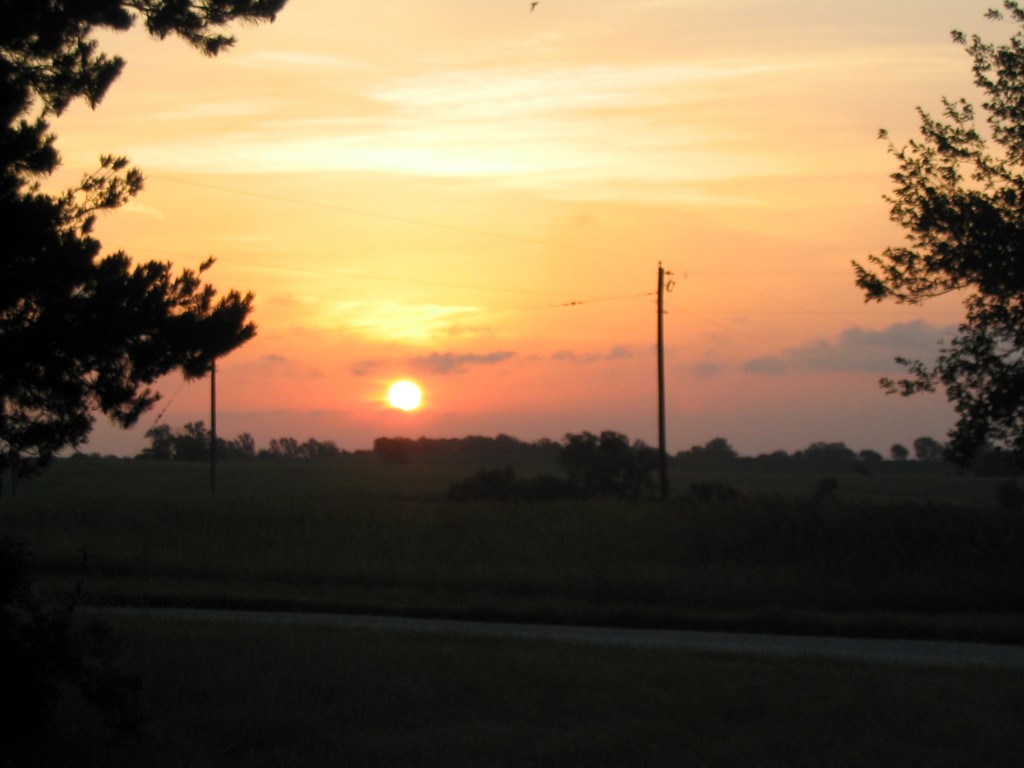
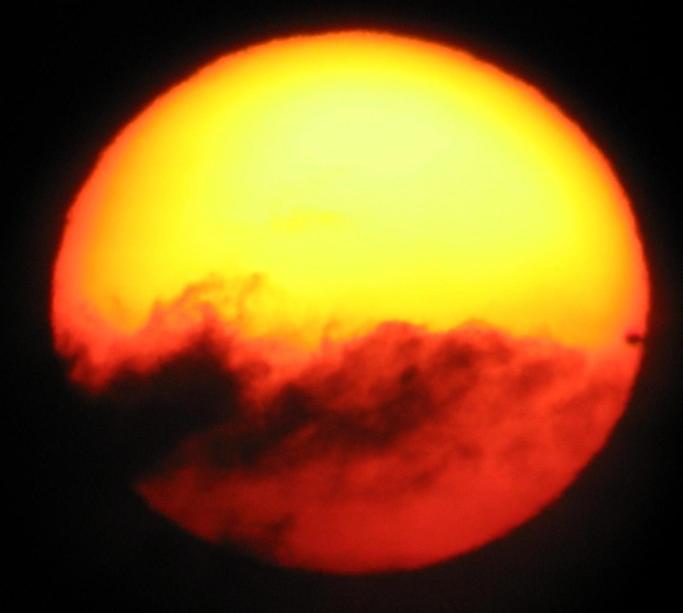
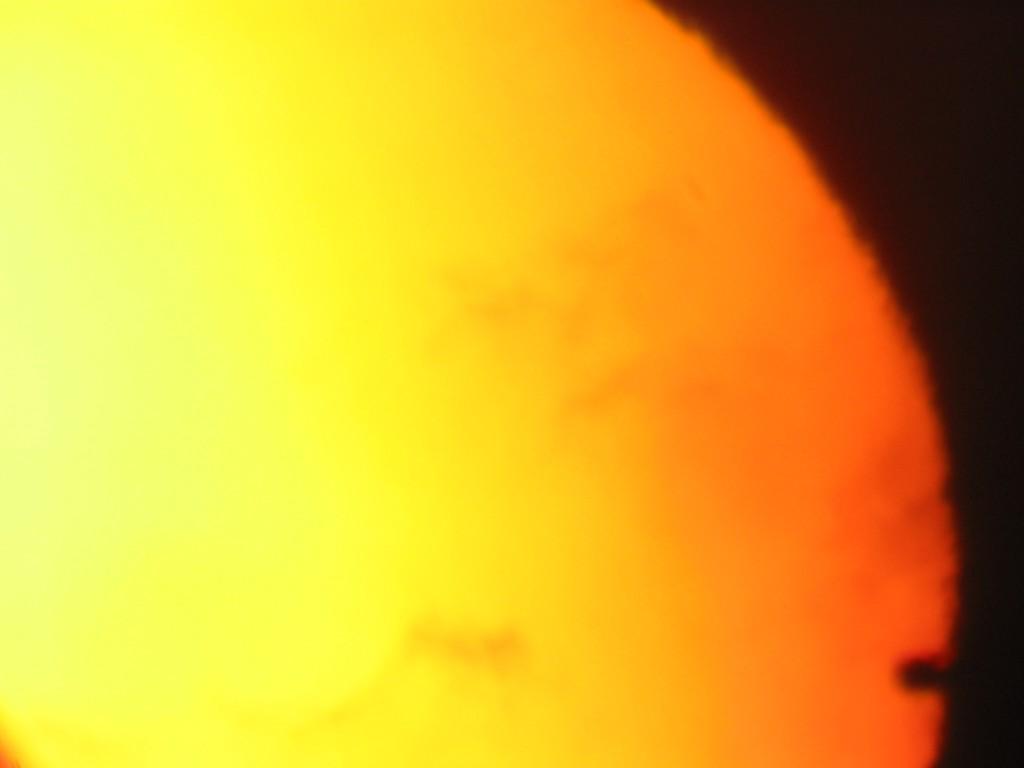
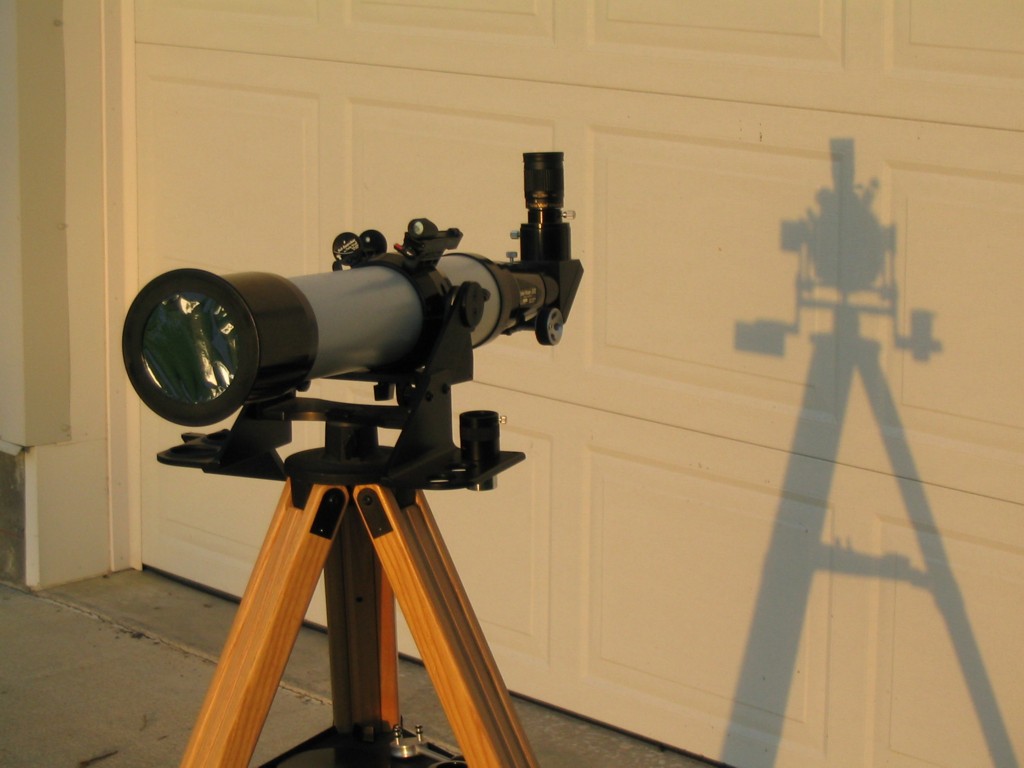
Mercury Transit of the sun as seen from Holton, Kansas on 8 November 2006 at about 1:30PM. Sunspot upper left, Mercury lower left. Equipment: TeleVue 101, Baader solar filter, Canon A70 camera. Next transit is 2016. |
 |
|||||||||

 |
8 June 2004 |
|
|||||||||
| Links Astronomy Picture of the Day Earth Picture of the Day Moon Picture of the Day Mars Picture of the Day Locate Space Station and Satellites ISS Tracking NASA-International Space Station Sun and Moon rising times and more Space Weather, Sunspots The Messier Catalog listing |
See the
movie of comet
Ikeya-Zhang. Impact Earth with comet or asteroid See what happens with various size objects impacting the earth. There are fireballs, air blasts, long distance thermal effects,1200 mph winds, earthquakes, debris raining down and pilling up, etc. Mount Wilson
Observatory |
Amateur Astronomy Magazine | |||||||||
|
International Dark-Sky Association Two out of three people in the United States of America no longer see the Milky Way with their naked eye because of light pollution. This light pollution can be decreased with the benefit of saving energy and improving safety. See web site: http://www.darksky.org |
|||||||||||
 Milky Way
 |
|||||||||||
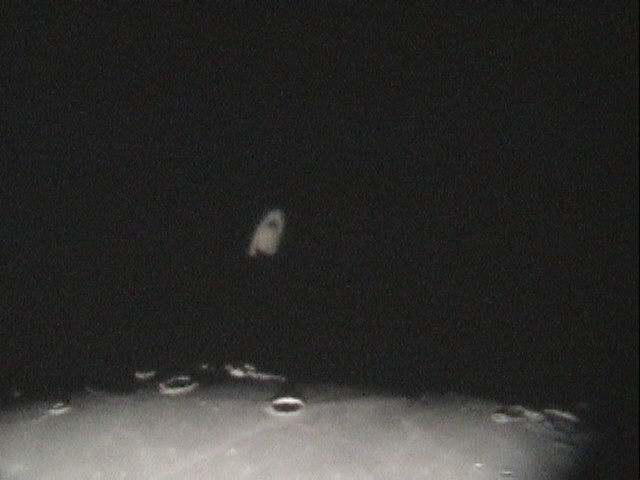
|
This picture was taken from a digital movie made by holding a Camcorder to the eyepiece on a TeleVue 101 telescope. | ||||||||||
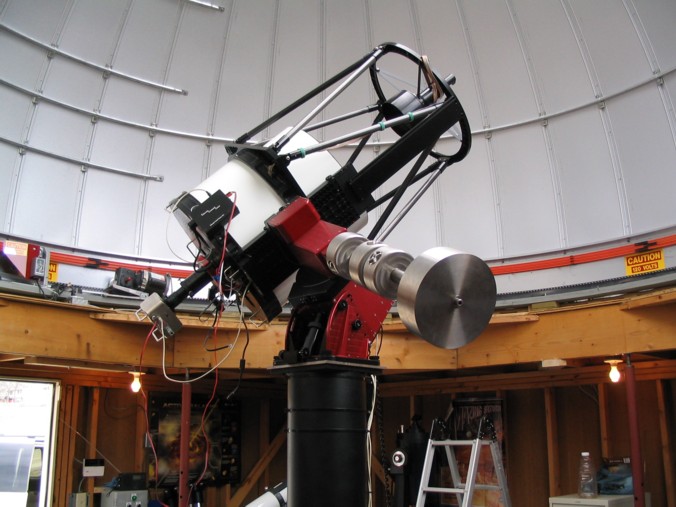 |
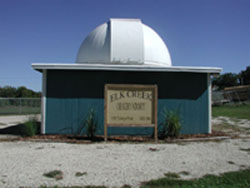
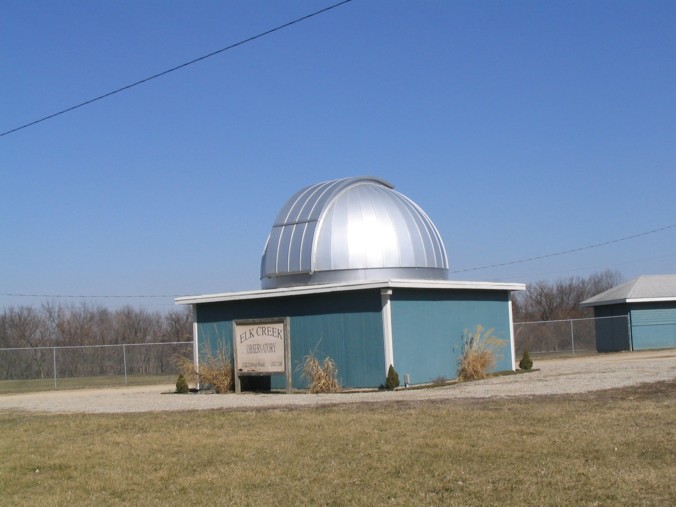
Elk Creek Observatory Original White fiberglass dome (left) and new aluminum dome (right pictures). 20" RC telescope This telescope is now at Banner Creek Observatory & Science Center west of Holton. |
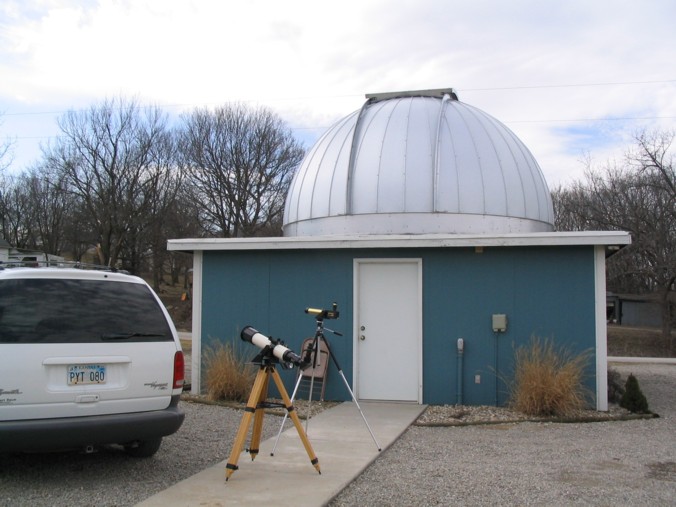 |
|||||||||
|
Elk Creek Observatory was founded in November 2000 on the Holton High School Campus, in Holton, Kansas. It was originally built with grant funds from the Christa McAuliffe Grant Foundation, named after teacher Christa McAuliffe, who died in the 1986 Challenger disaster. The grant was written by Karen and Mike Ford. The original grant was in the amount of $31,200, which funded a 14" telescope, robotic mount, fiberglass dome (don't get one of these!!!!), and a CCD camera. Unified School District 336 also assisted with the funding for the building, which was designed and built by Bob Phillips Woods class. The observatory was done in late October 2000 and dedicated by Dr. Bruce Twarog, Professor of Astronomy at Kansas University, in November 2000. Students learned how to do CCD imaging (see images link) and how to use the images for research. The summer of 2003, the students wanted to get a larger telescope to use for projects. In July, Elk Creek Observatory housed a Meade 16" LX 200 GPS telescope for projects. This enabled them to get more light gathering power (a larger lens) for projects. In May 2003, Mike Ford presented a program to the Holton High School Alumni about the observatory. Since no one knew the observatory existed, it was a great opportunity to explain the facility and tell what projects were being worked on by students. After the presentation, several alums expressed interest in the project. Alum Bill Zirger had asked what would be the ultimate to work with and how much would it cost. After thinking about this for a couple of weeks, a list of equipment was put together with the cost. The entire package was right around $150,000!!!! The material list and cost was sent to Bill, where he and fellow alum Dennis Blossom talked to another alum, Senator Pat Roberts about getting this funded for the school district. In December 2003, Senator Roberts called and talked to Coach Brooks Barta to congratulate him on winning the State 4A Football Championship AND told him to tell Mike that he had put in an appropriation for the observatory in the 2003 budget. Another phone call was received later in December from Senator Robert's assistant, Keith Yahle, who said the budget had passed the House, Senate and was on its way to the President to be signed into law. At that point, the newly equipped observatory was a reality. The appropriated funds would be through the Department of Education's Technology Initiative Program. February was a busy month writing a grant to the Department of Education to show how the funds would be used and people involved in the project. Upon completion of the grant in late March, it was approved in June and allocation of funds began in August. As of November 2004, a new dome has been installed (16.5-foot Ash Dome which I highly recommend), the new robotic mount, new Dell computers, software, a new large format STL-1301E CCD camera from Santa Barbara Instruments Group and a new large Starlab Portable Planetarium!! The telescope optical tube is a RC Optical Systems 20-inch Ritchey Chretien, which we had used at Kitt Peak National Observatory in Arizona. The optical tube was shipped out of Flagstaff, Arizona on Monday, November 29 and arrived on December 6th !! All of the electronics were received on December 7th!! With the kind assistance of Gary Hug of the Northeast Kansas Amatuer Astronomers League (NEKAAL) and HHS Advanced Space Science students, the observatory will be up and running in late December, early January. Goals of Elk Creek Observatory: Elk Creek Observatory is a public observatory/research facility to teach students and interested others research techniques in astronomy. Upon completion of the observatory, our group will be working on various projects to include black holes, blazars, occultations, extra solar planets, and Near Earth Objects. Students will also learn to work with astronomical technologies used in research to include CCD cameras, filters, and various software to analyze their image data. Students will also be working with NASA Project Scientists and submit their observations to various NASA agencies. In addition to research, Elk Creek Observatory will be hosting observing nights for the public to view through the new 20" telescope and the 14" telescope on specific nights, depending on weather conditions. Students will also be assisting with these sessions. Everyone is invited to come and view universe!! Please check with our link on the main page for information, or check the Holton Recorder. We can also present programs at your various functions or civic groups or various organizations may also schedule the observatory for viewing, depending on availability of the observatory. The Elk Creek Observatory would not be possible without financial and service donations from the following businesses and individuals: -Christa McAuliffe Fellowship Grant, -USD 336-ADS Distributing-Mr. and Mrs. Robert Carson and Family-Rob Marshall/Marshall Tool-Eubanks Custom Woodworks-Gary Hardy Dodge-Holton-Mr. and Mrs. Rod Taylor-HHS Chapter of SADD-HHS Student Council-Forrest Fernkopf-Lockheed-Martin Company-Mrs. Mary Kline-Prairie Band of Pottawatomie Tribe-Holton National Bank-Holton Country Mart-Donna Ford-Bob Phillips and his Tech Classes, Bill and JoAnn Phieffer, HHS Class of 1967 in Memory of: Kathleen Proctor, Mr. and Mrs. McBroom (parents of Bob McBroom),-HHS Space Science Class |
|||||||||||
 Holton Astronomy Day April 2005
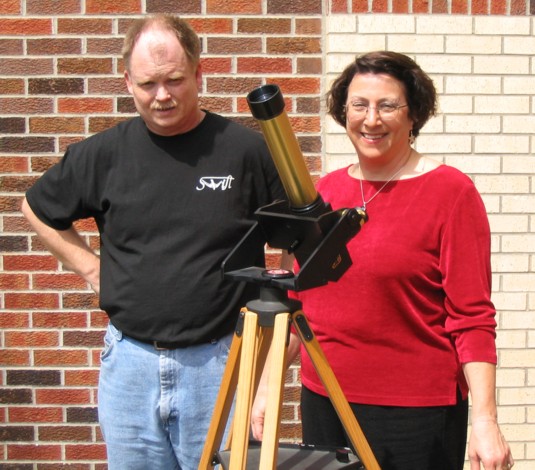 |
Mike Ford of Holton High School and Dr. Lynn Cominsky from California, Professor at Sonoma State University NASA Scientist with Kansas Wind Power's PST (Personal Solar Telescope) |
||||||||||
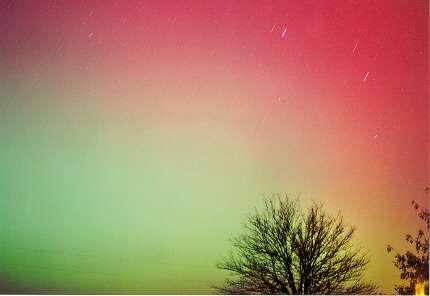 click on pictures to see a larger view.
 |
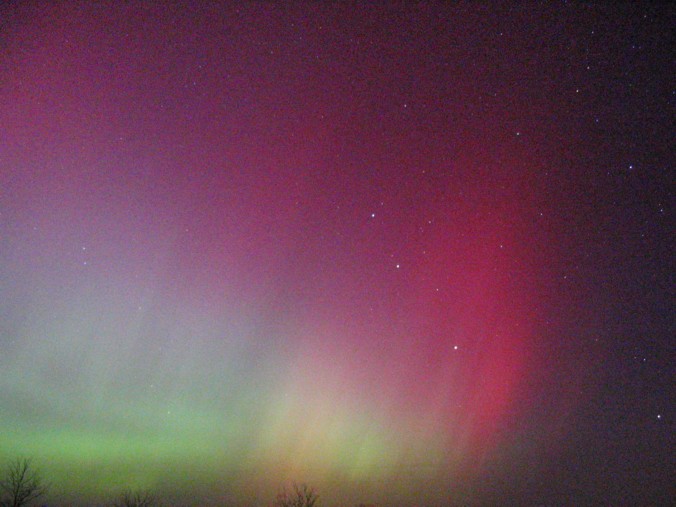
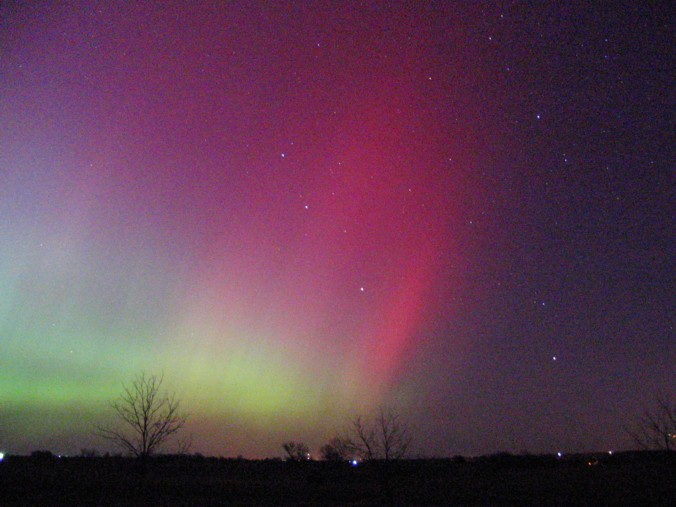
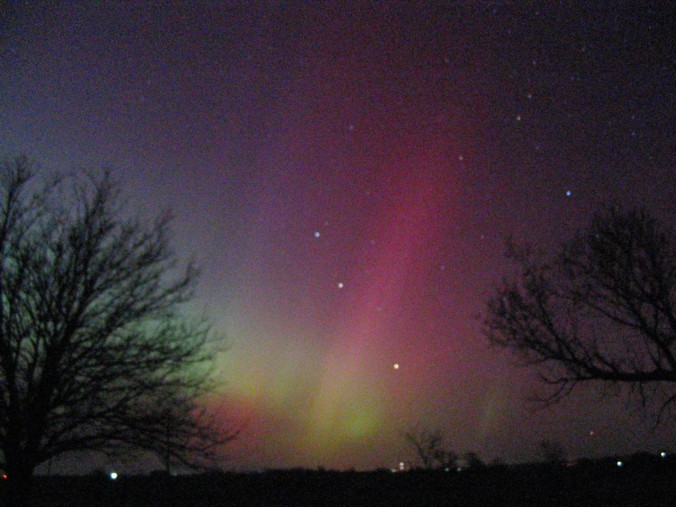
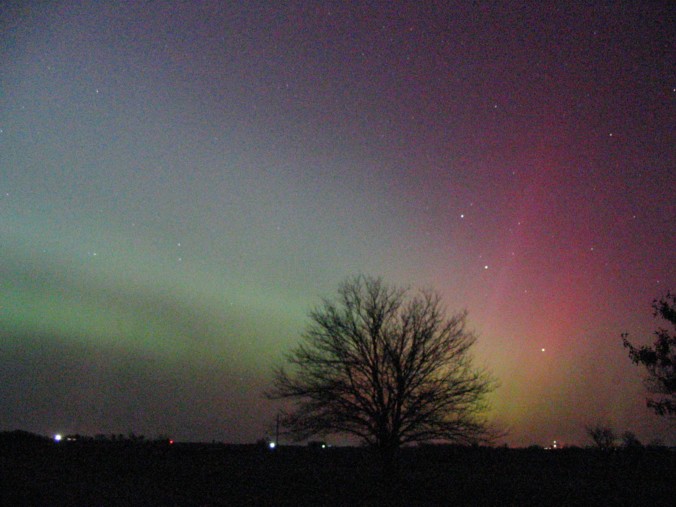
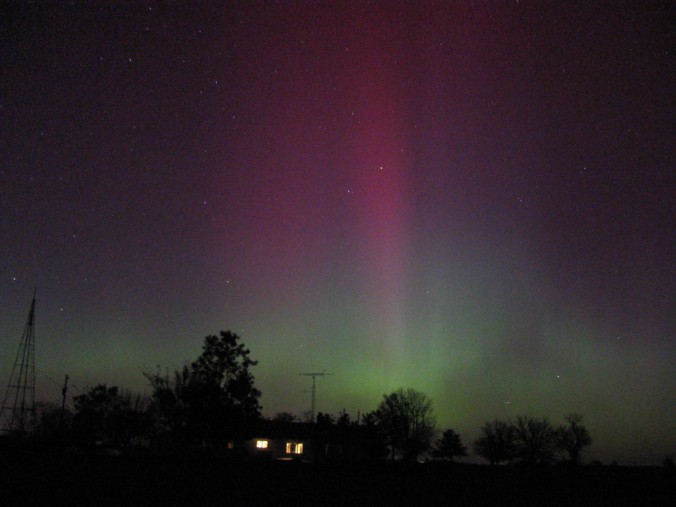
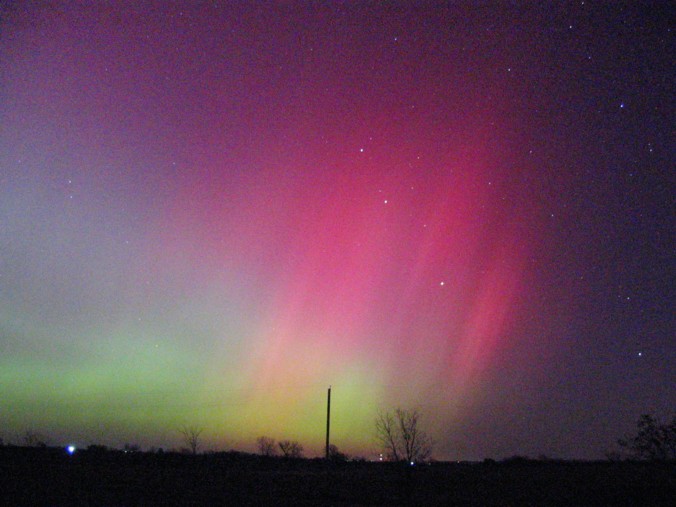
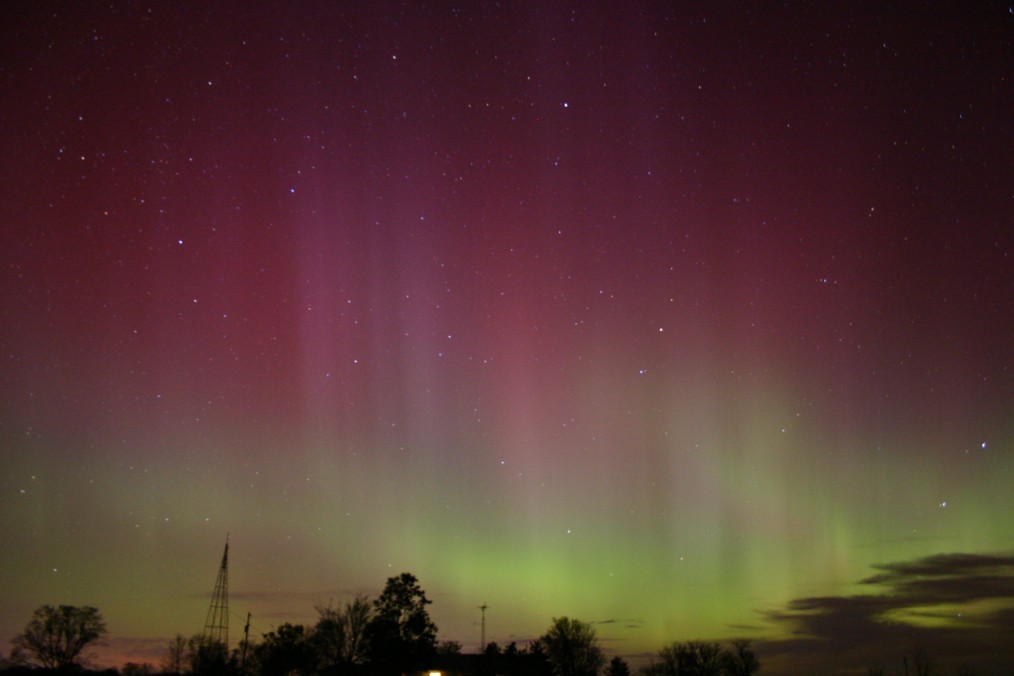
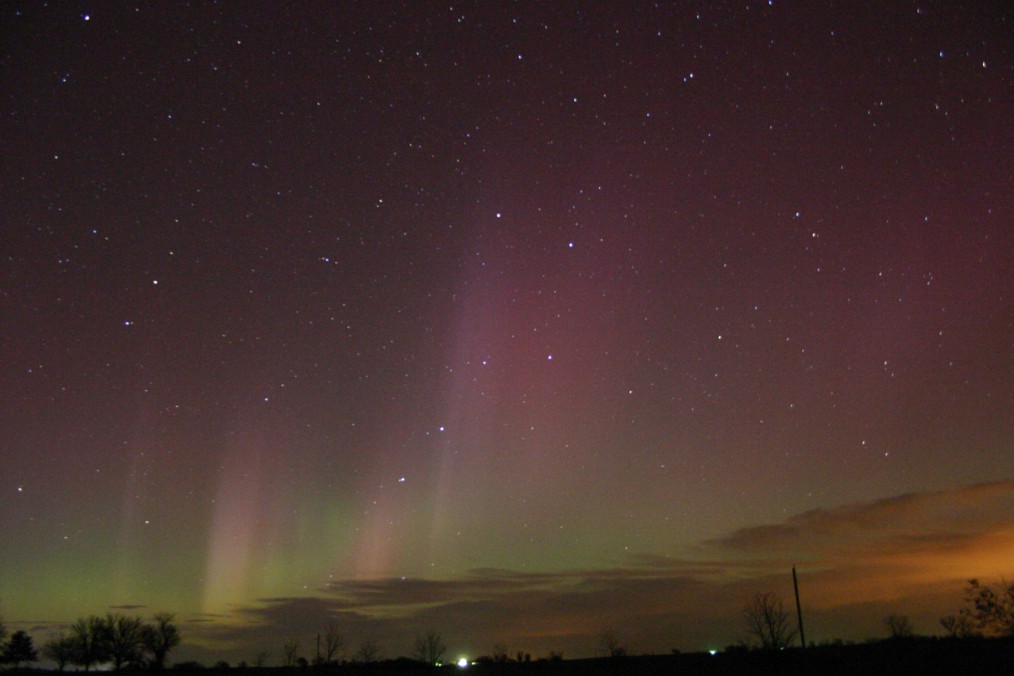
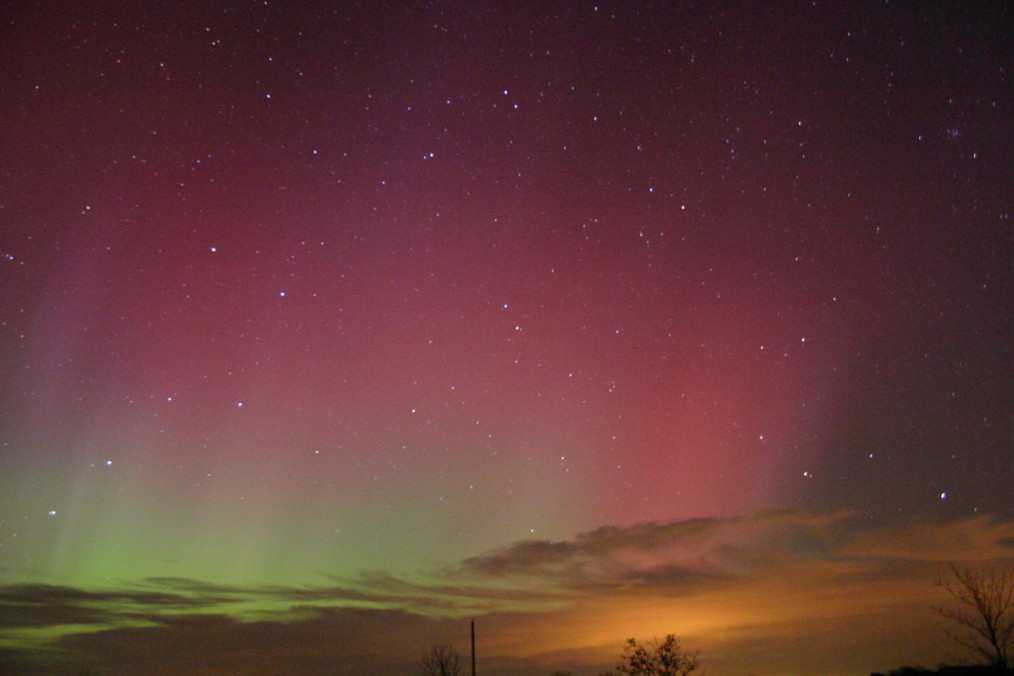
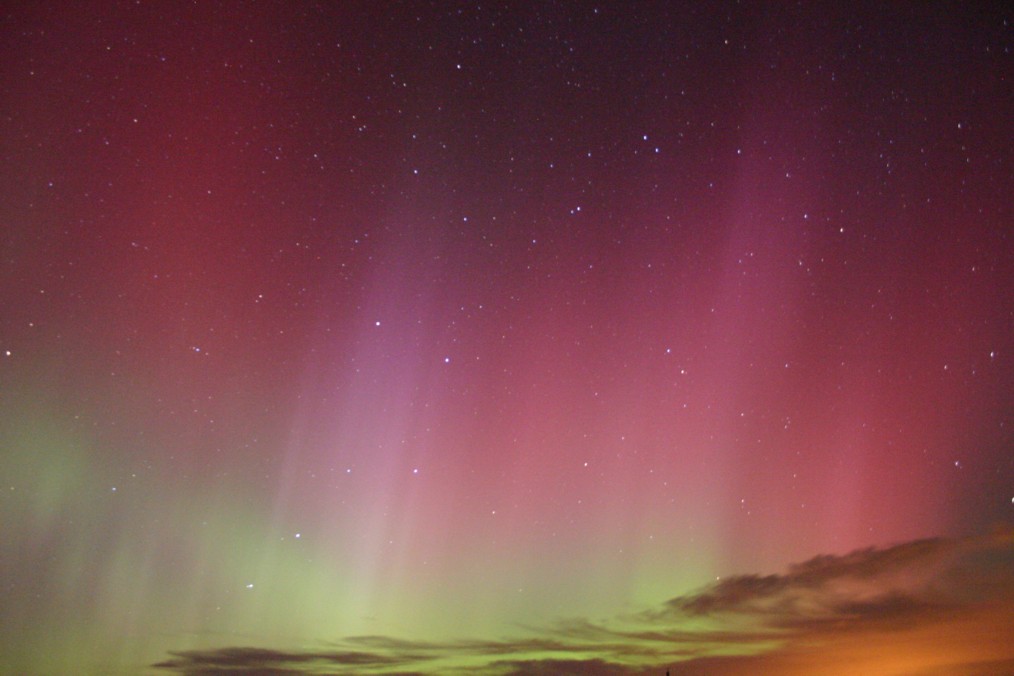
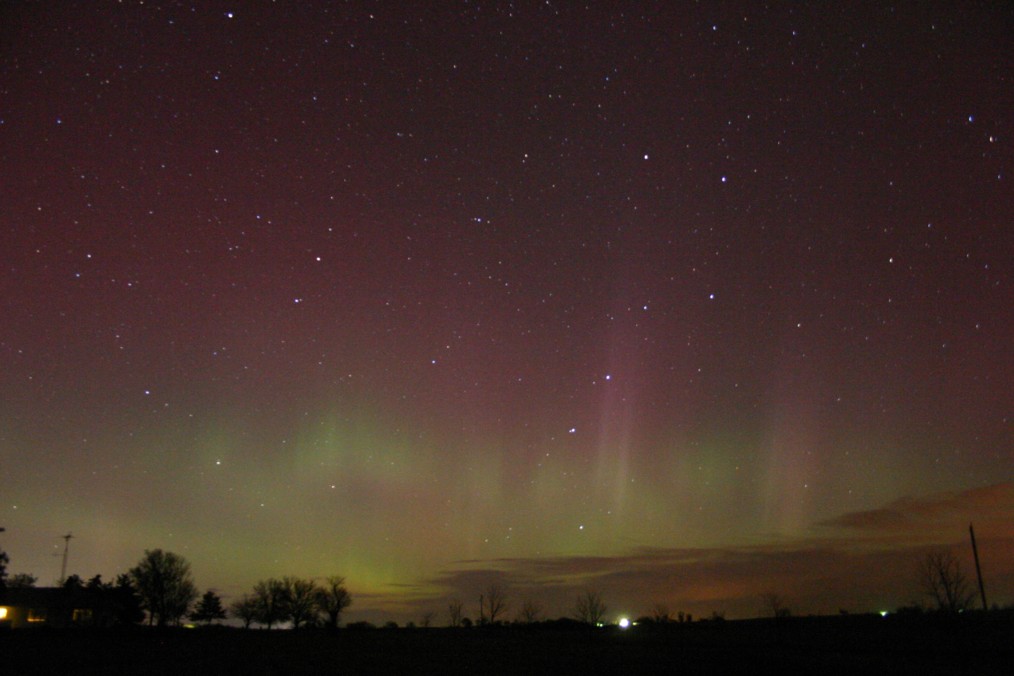
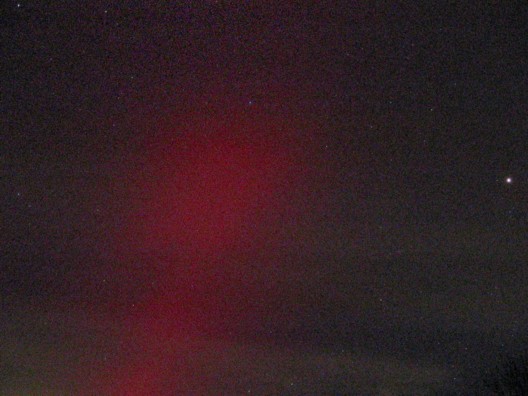
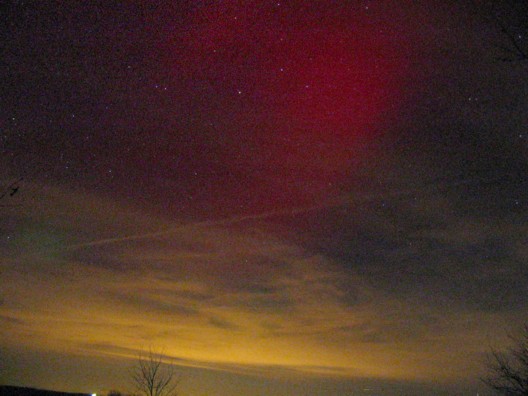
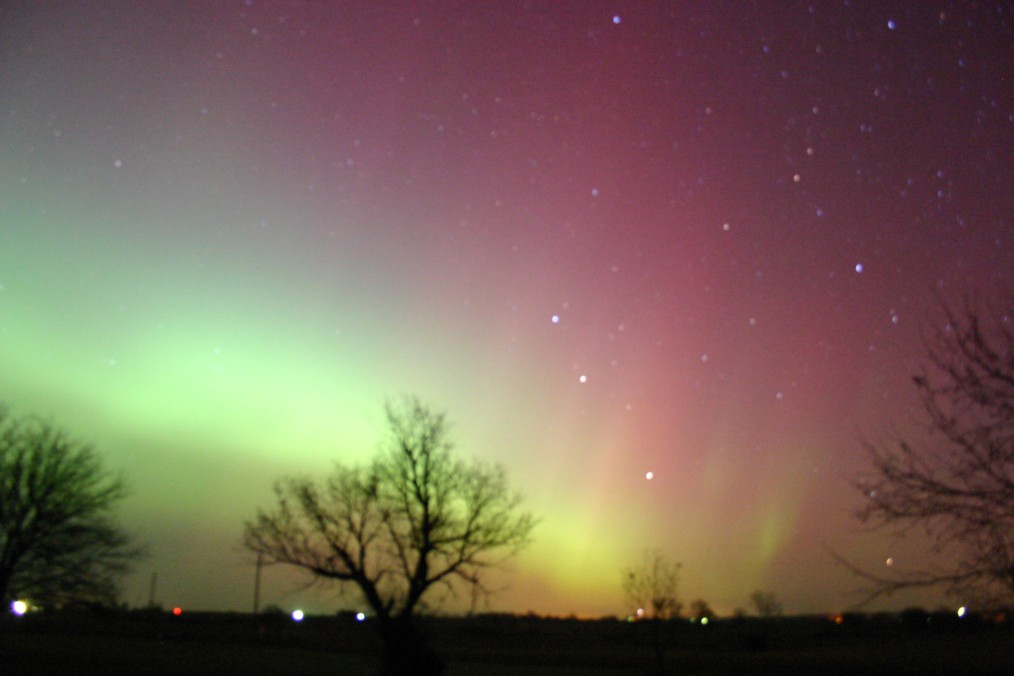
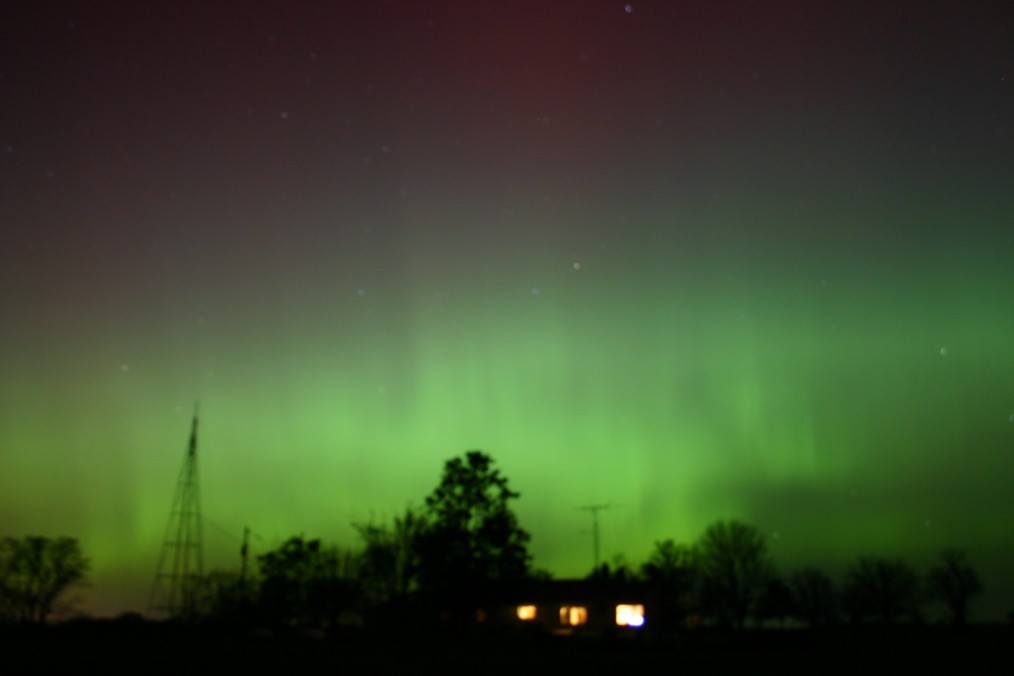
Northern Lights Aurora as seen in Kansas |
||||||||||
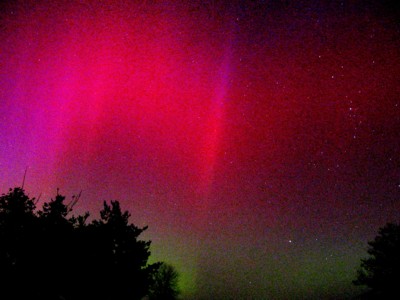
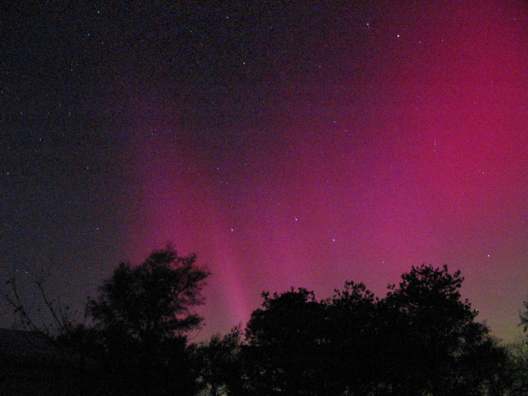
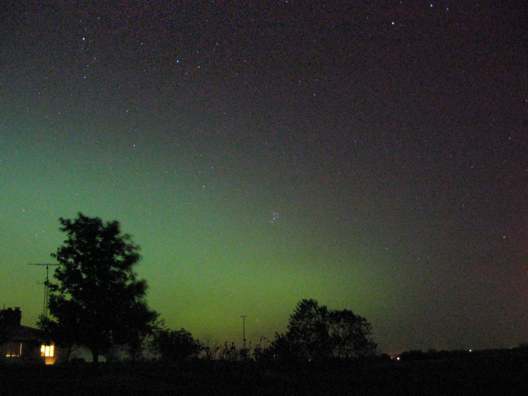
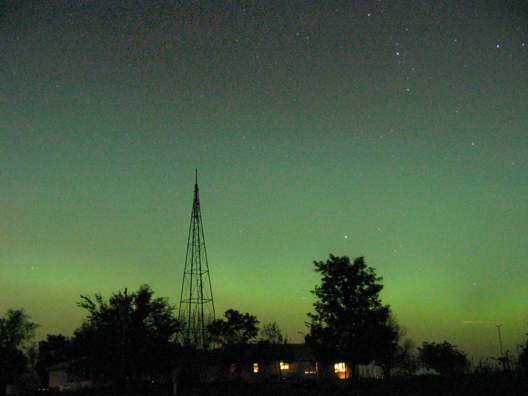

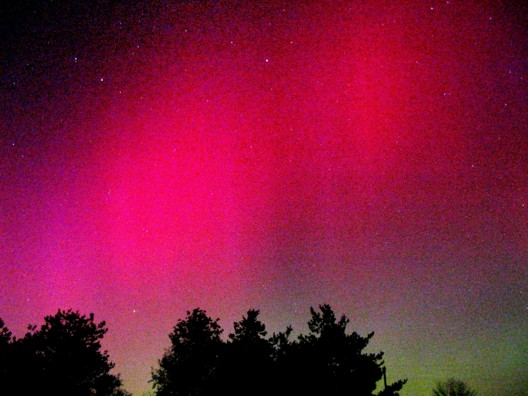
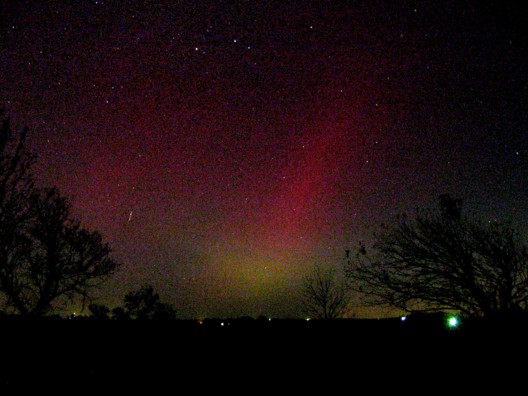
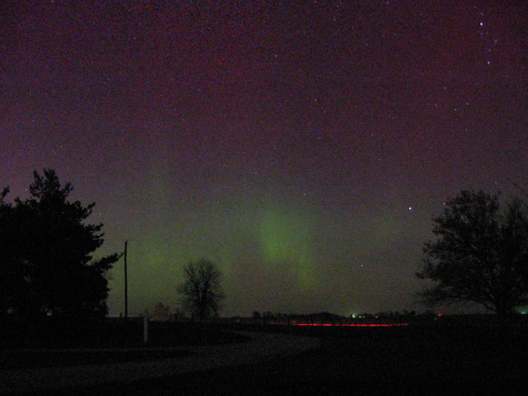
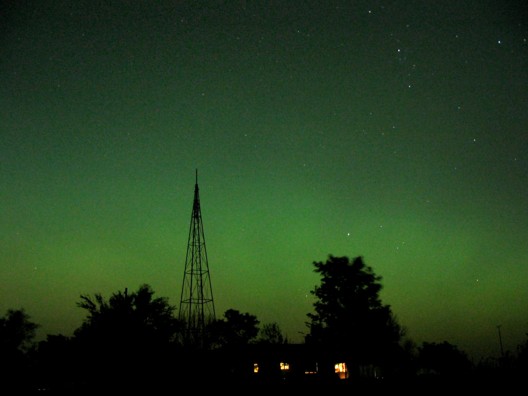
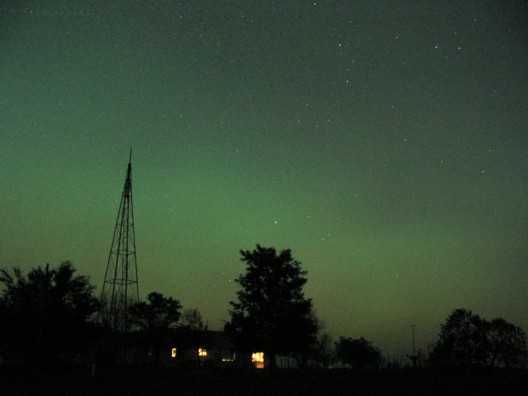 |
29 Oct 03 Aurora |
||||||||||
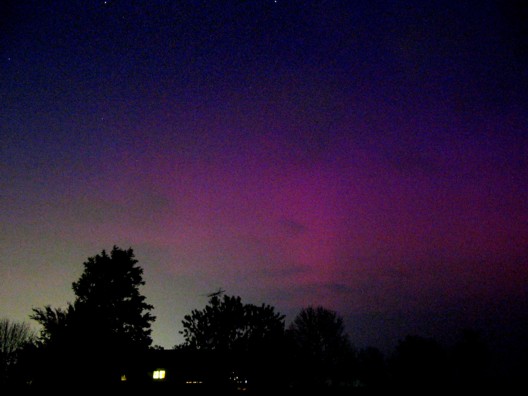
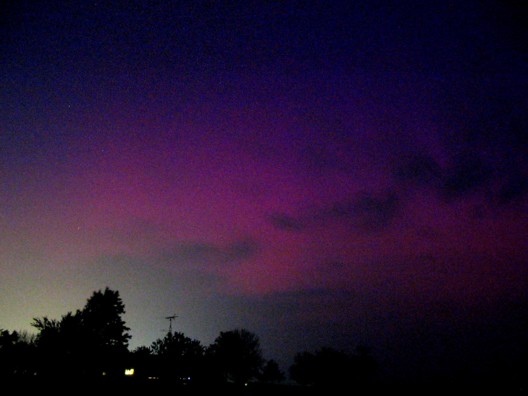
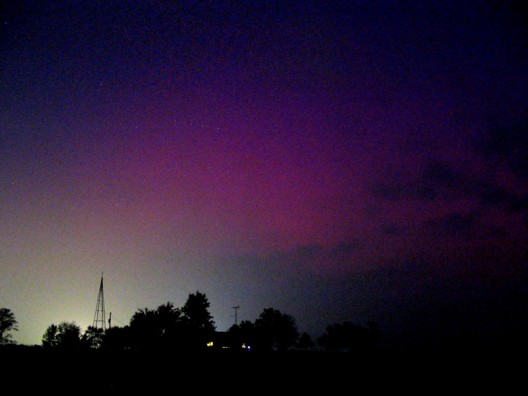 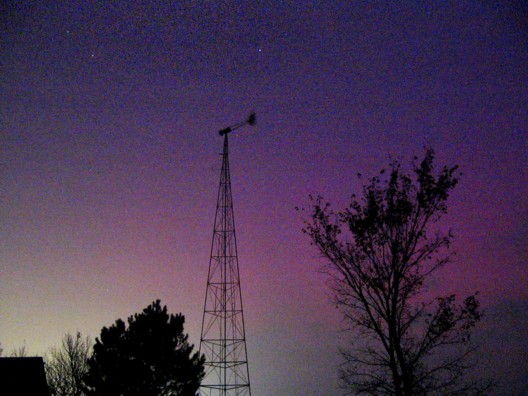
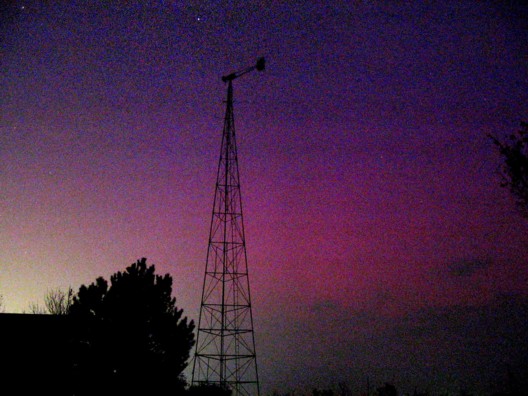
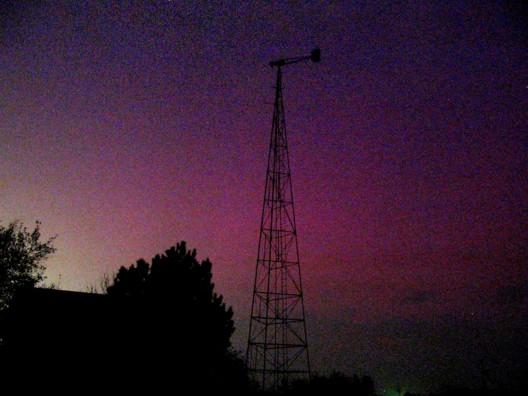 |
30 Oct 03 Aurora Holton, KS |
||||||||||
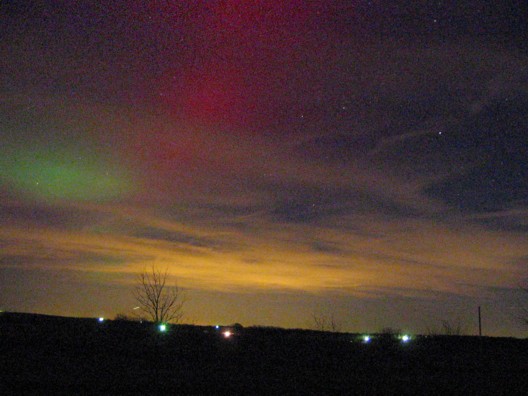
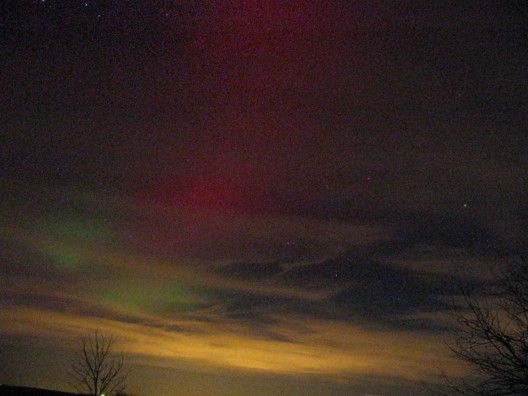
 |
20 November 03 Aurora |
||||||||||
|
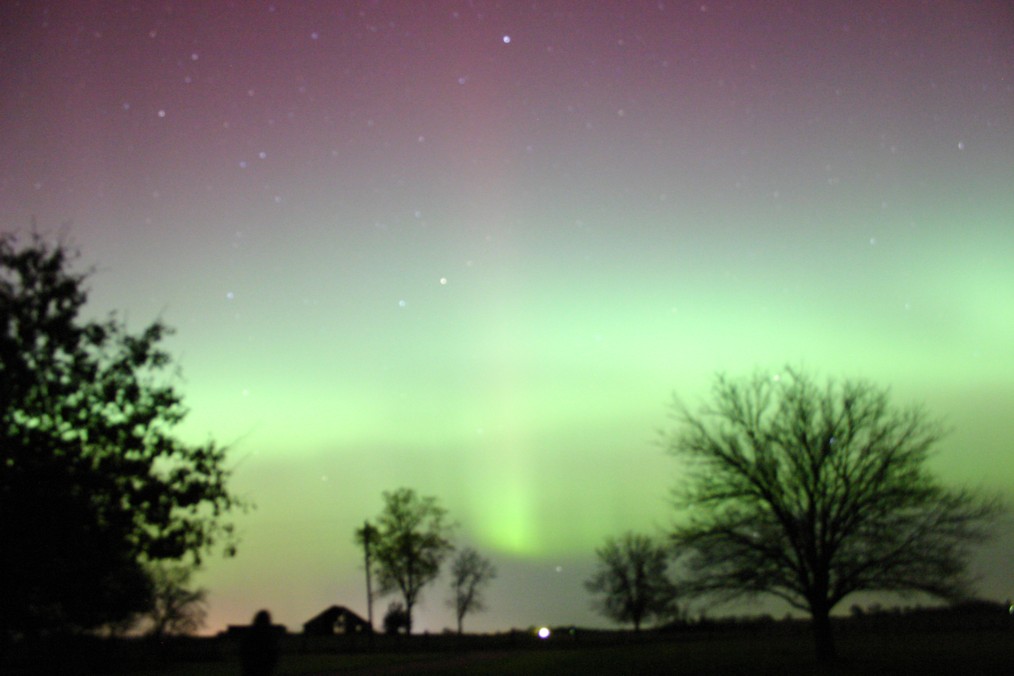
Aurora 8 November 04 Holton, KS 10-11 PM |
 |
|||||||||
 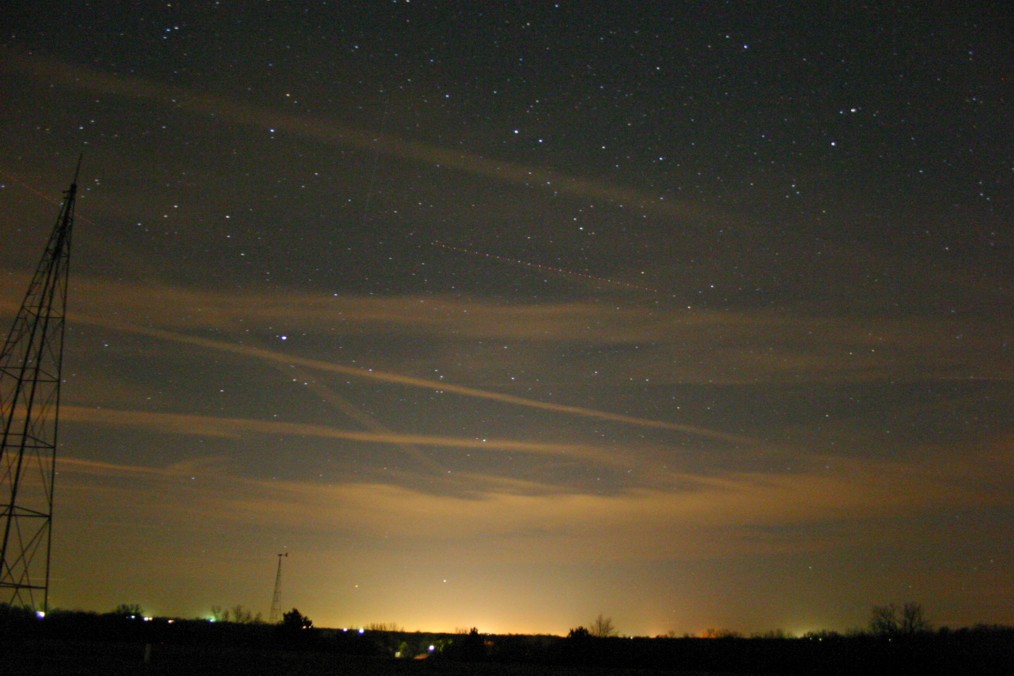 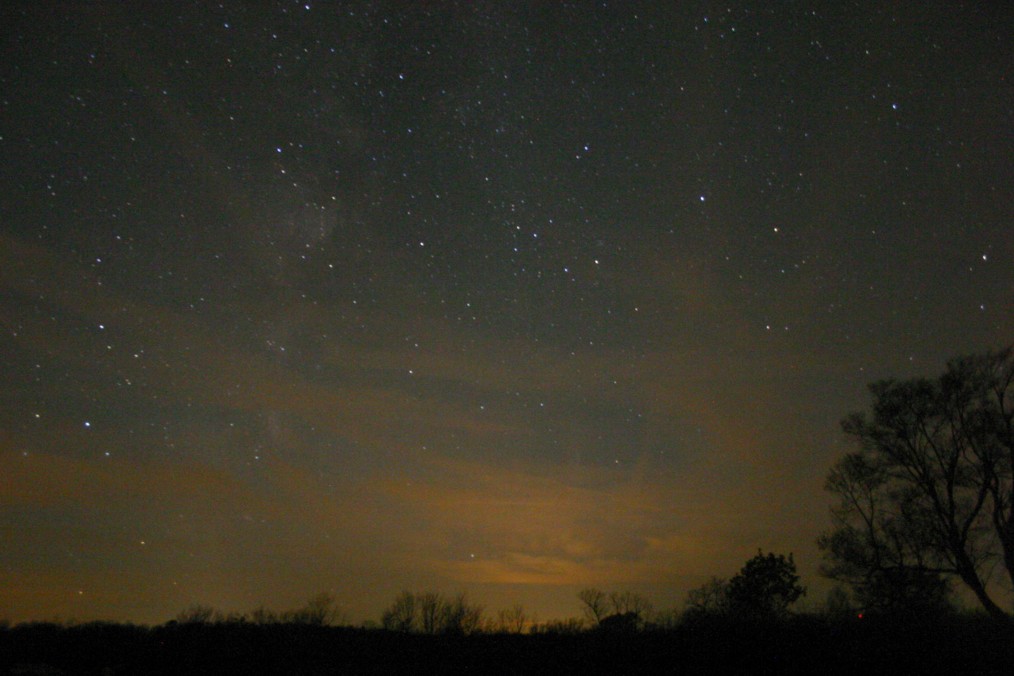 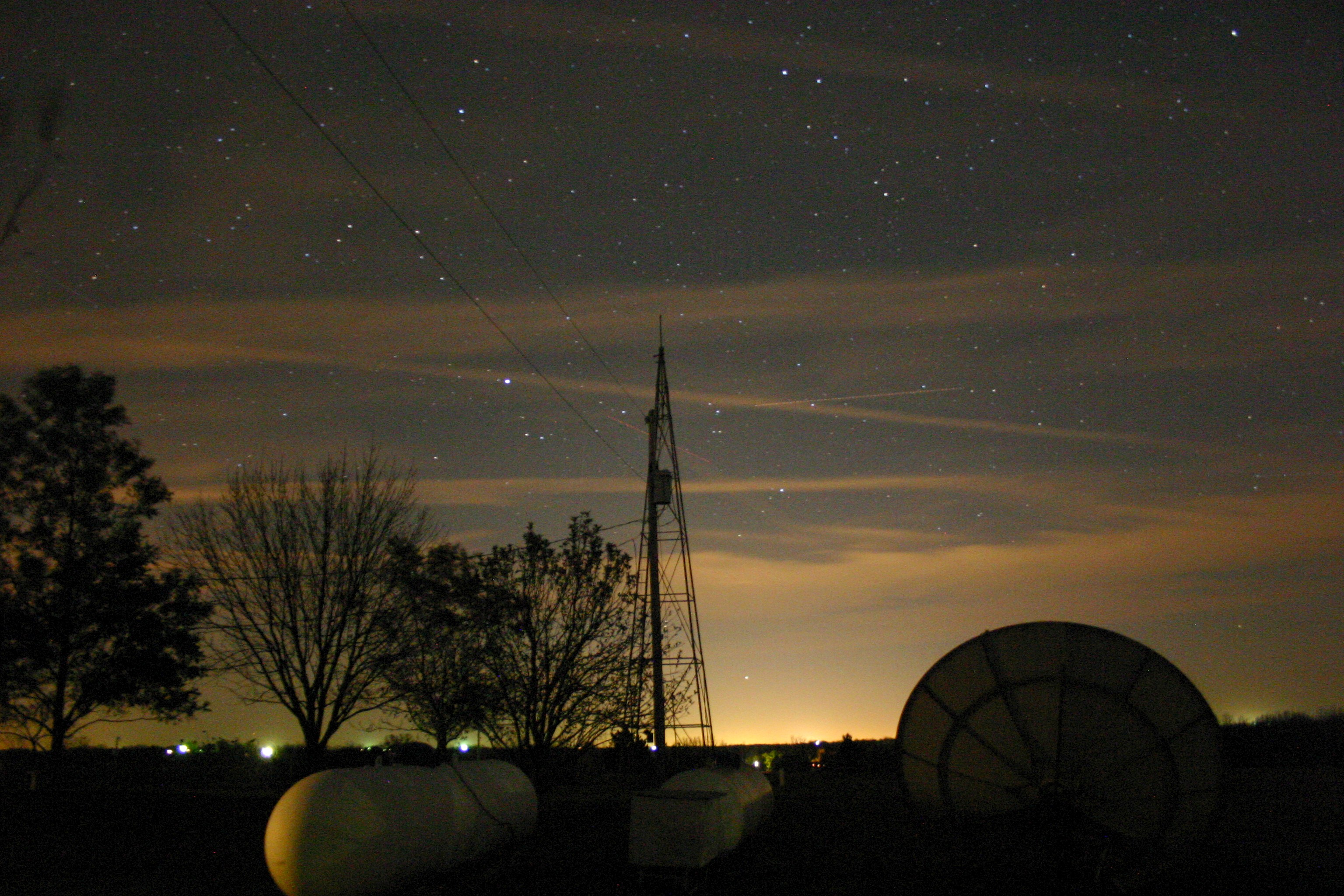 |
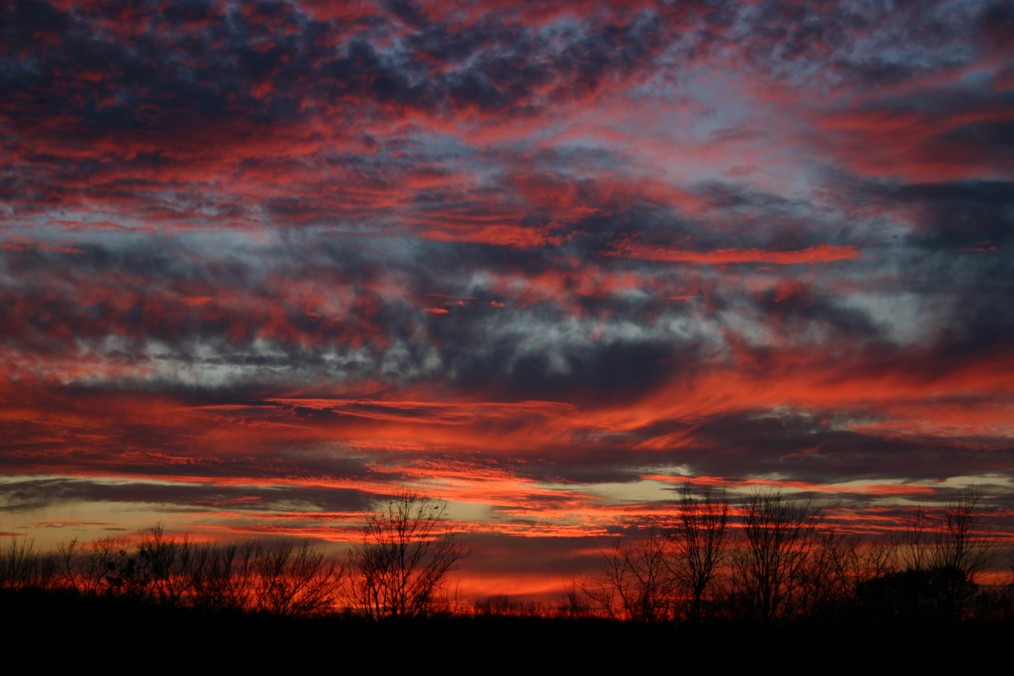
Night sky with clouds 8 November 04 |
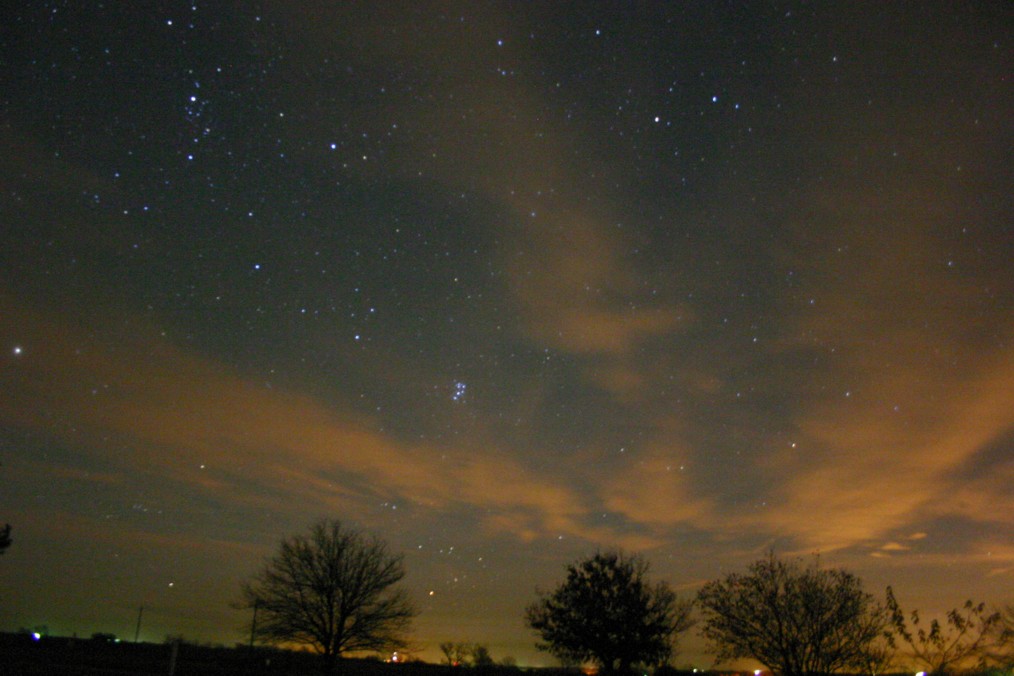 |
|||||||||
 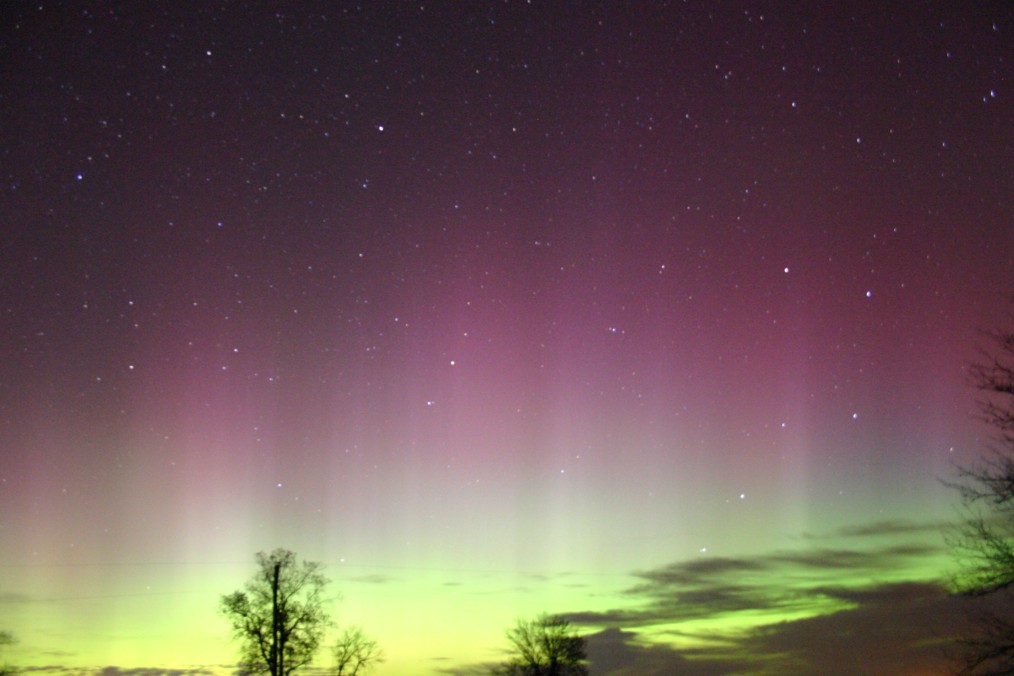  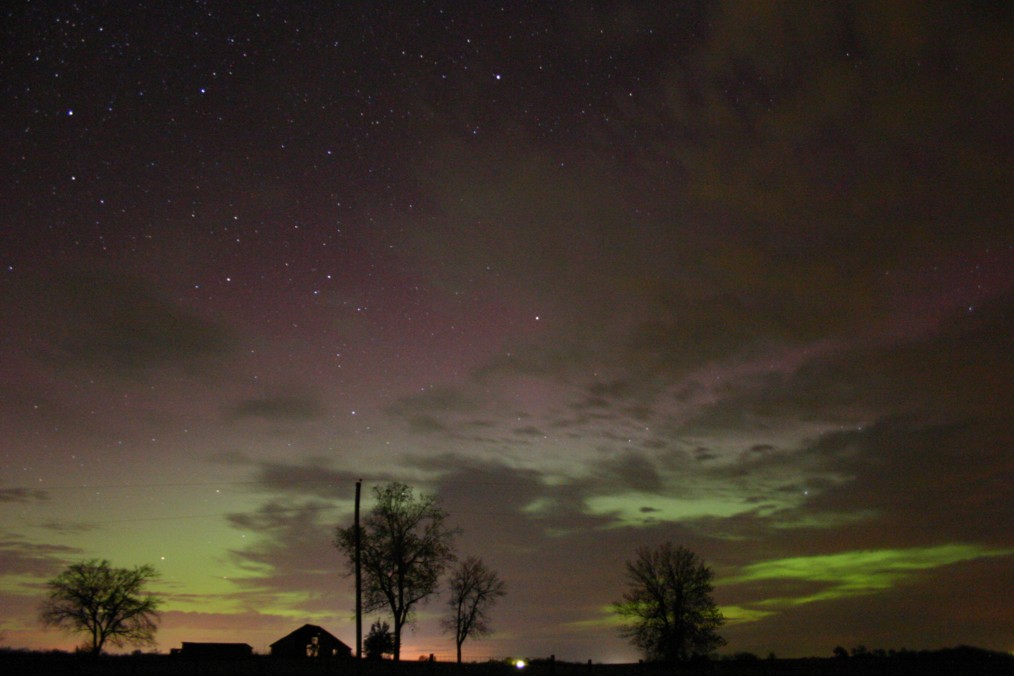
|
Aurora 9 November 04 Midnight to 2 AM |
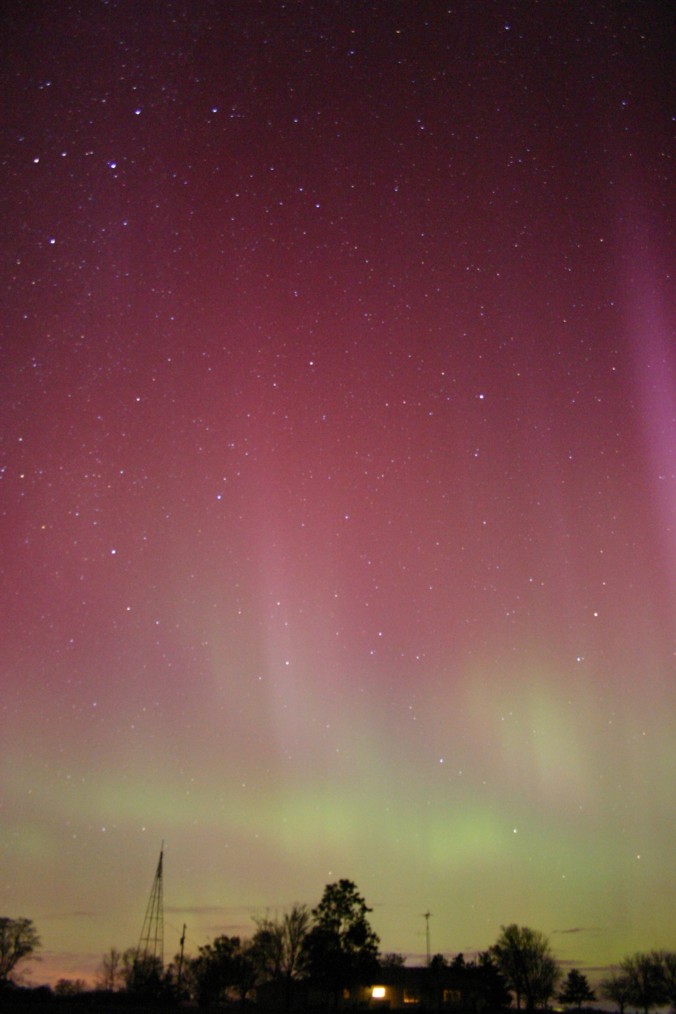 |
|||||||||
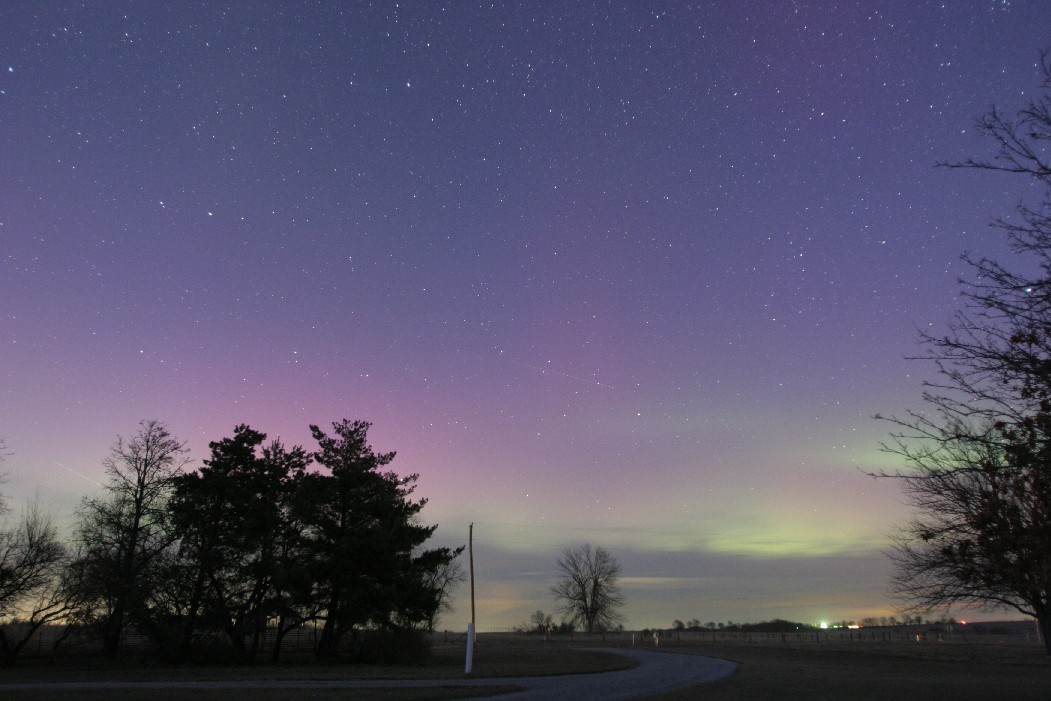
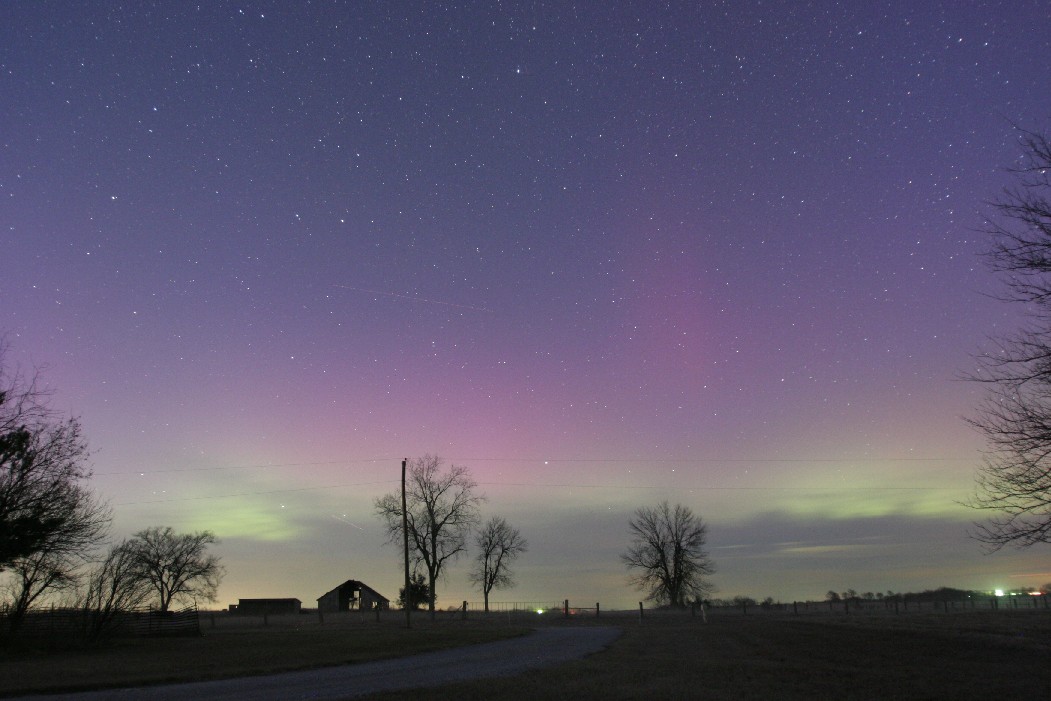
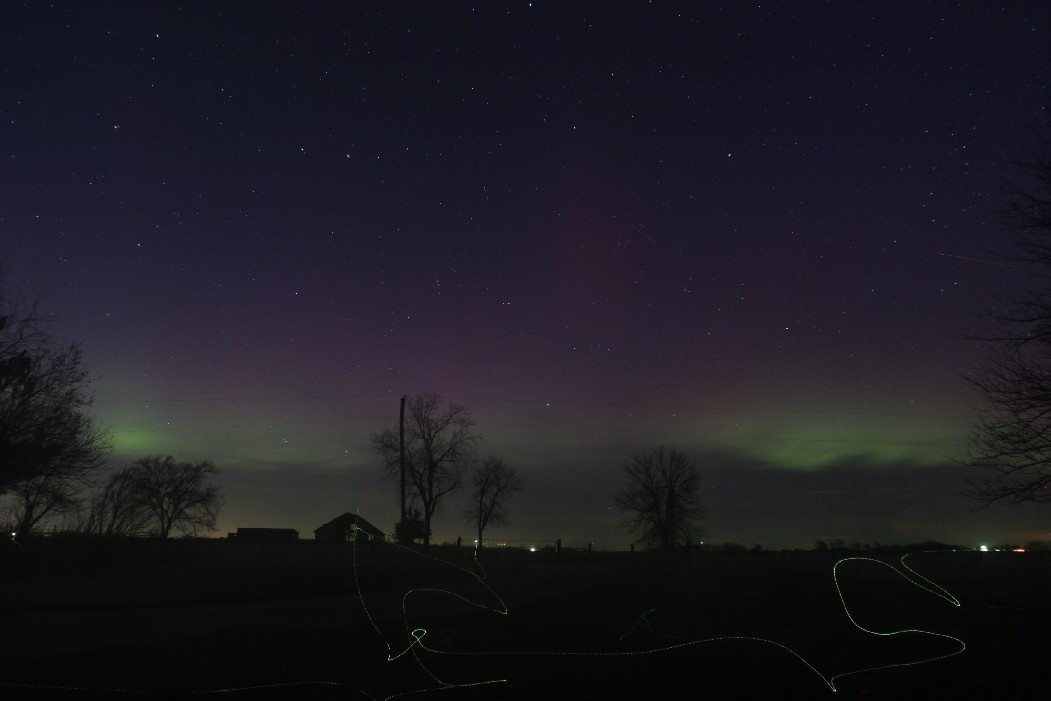
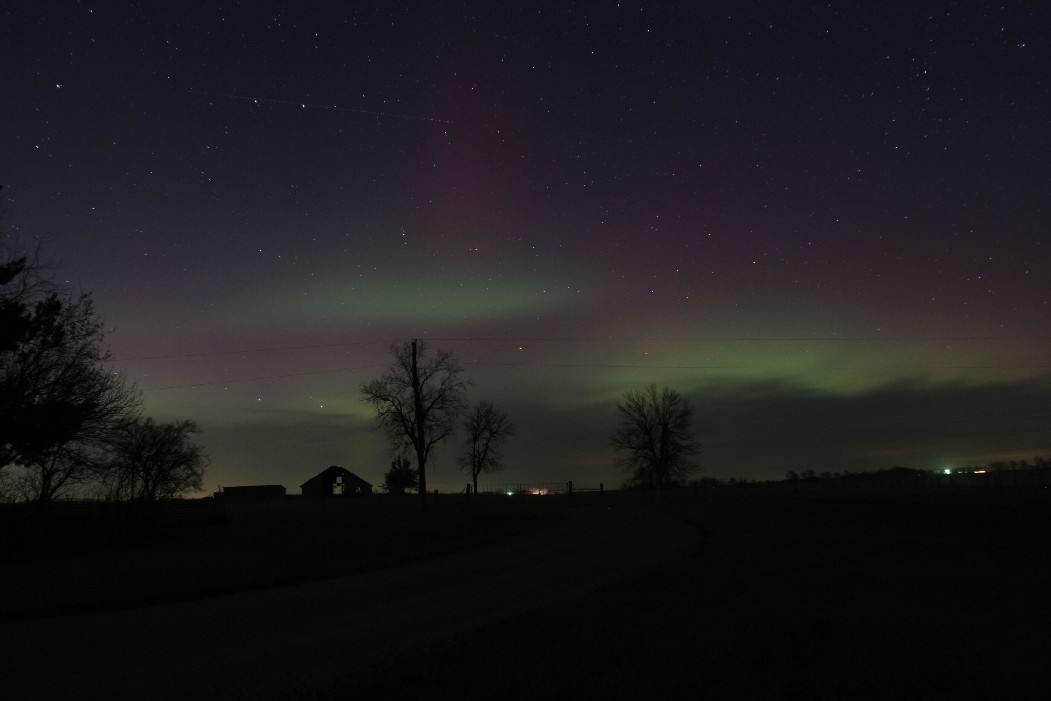
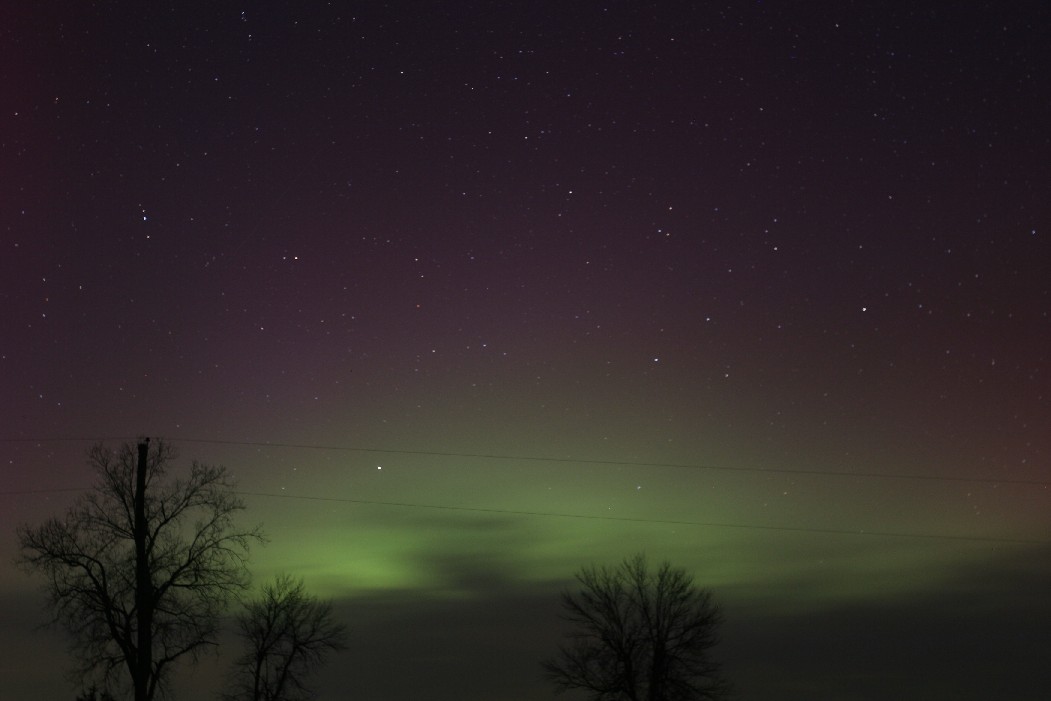

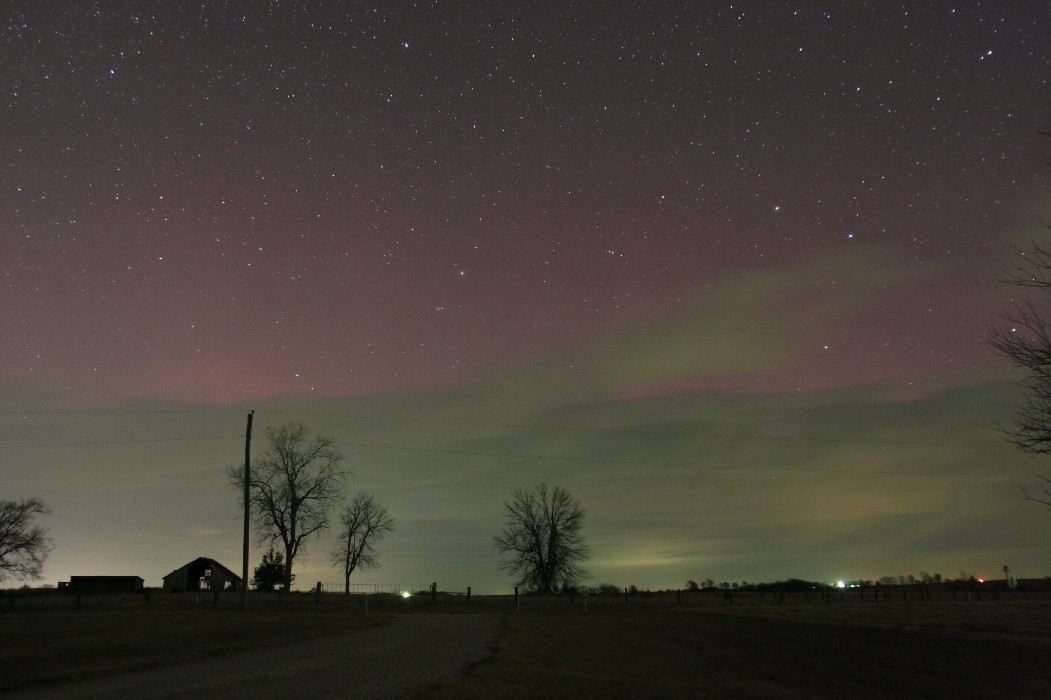 |
Aurora 14 December 06 6 -10 PM |
||||||||||
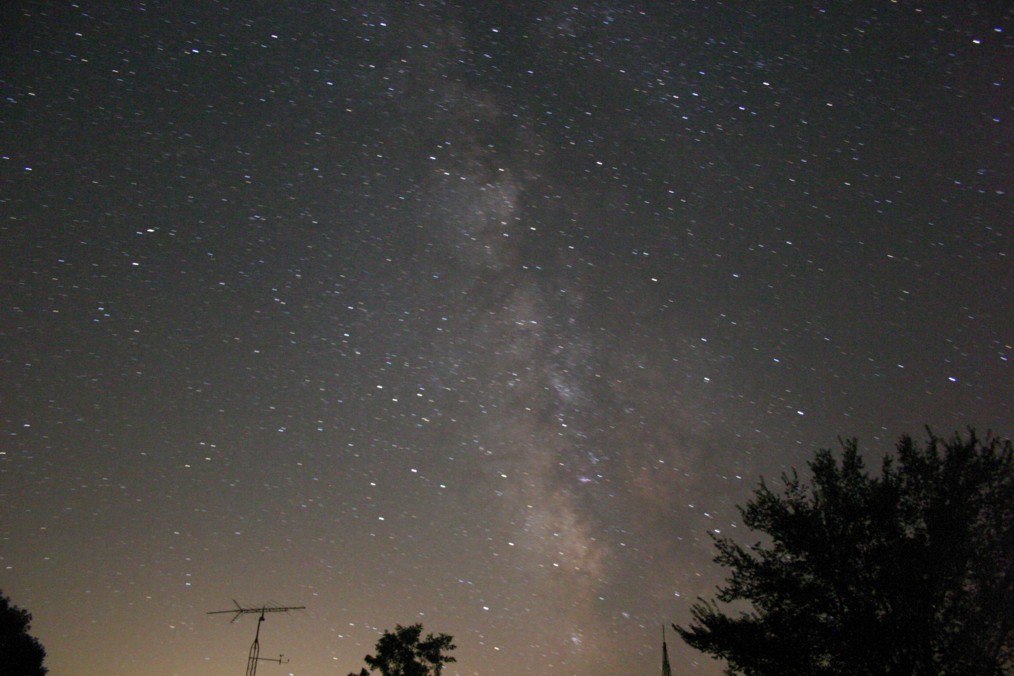
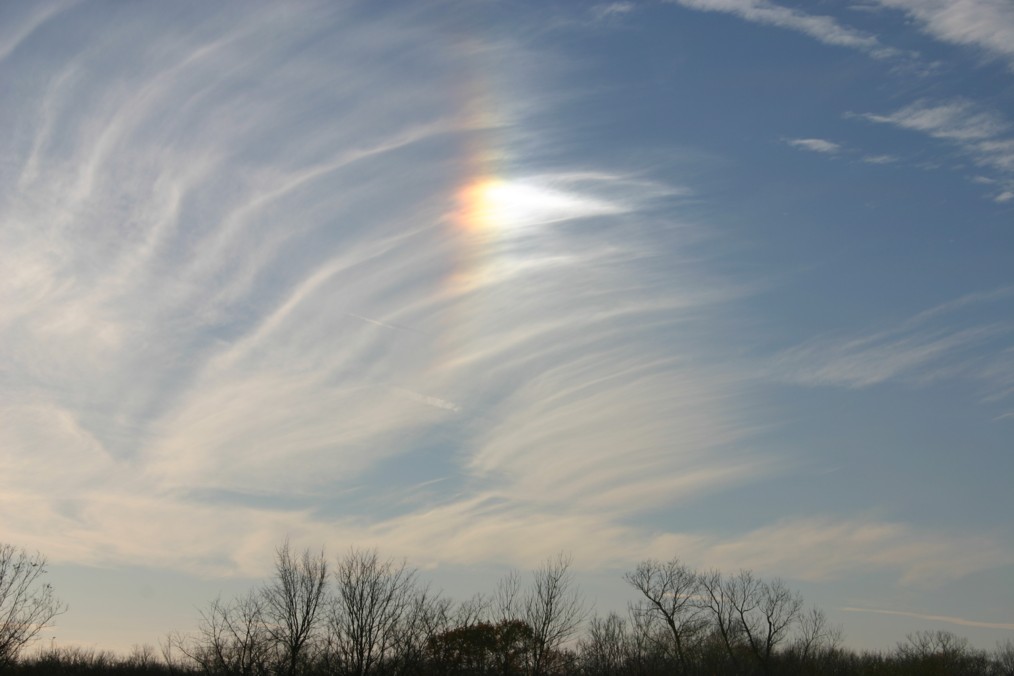
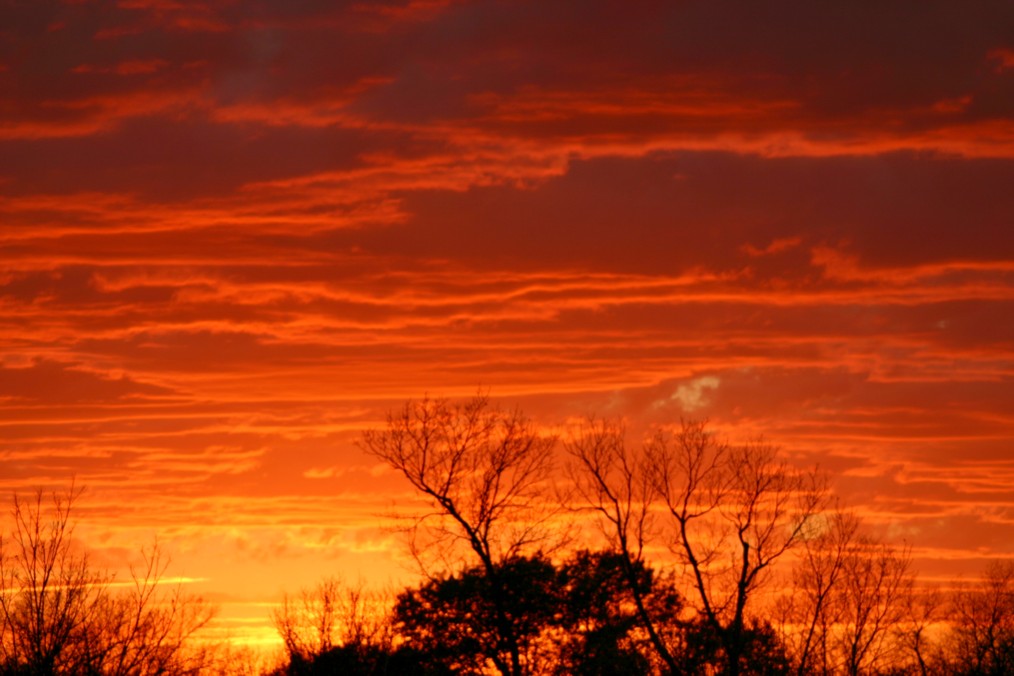

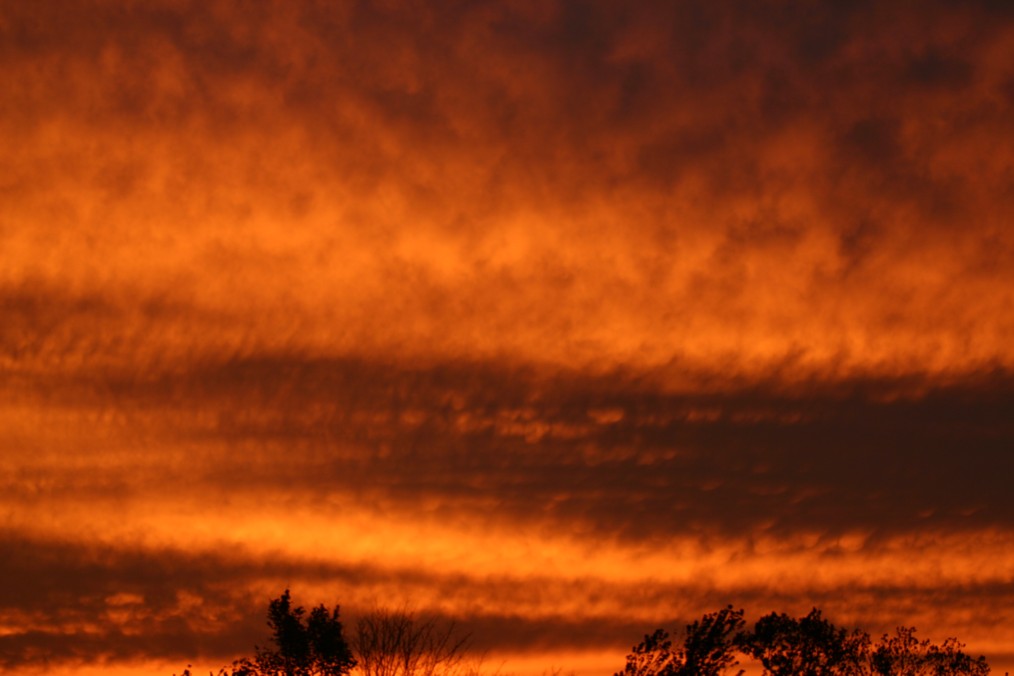
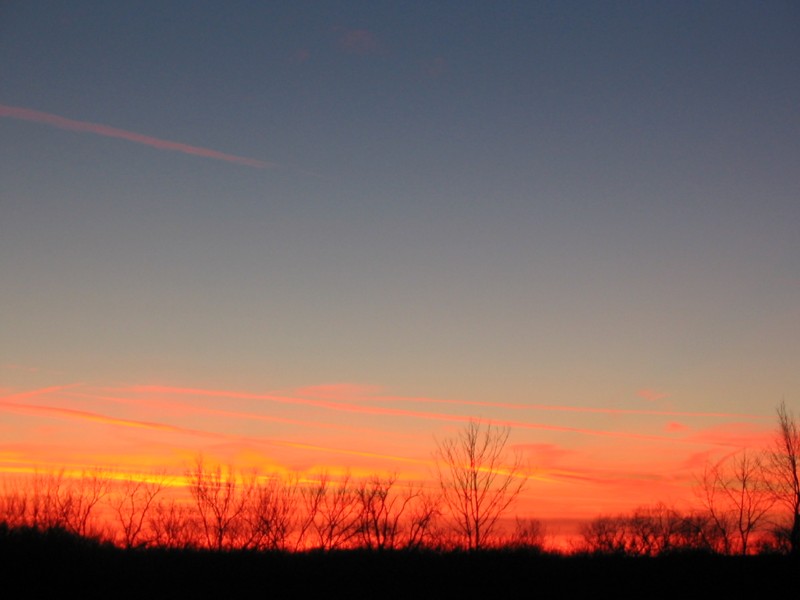

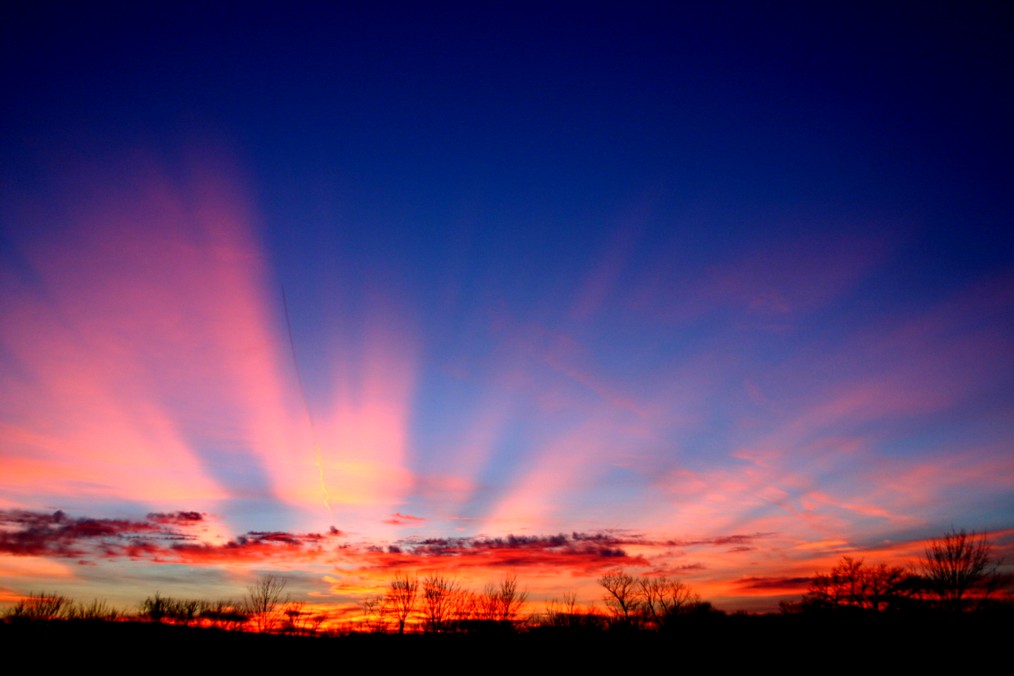
 |
Kansas Sky |

|
|||||||||
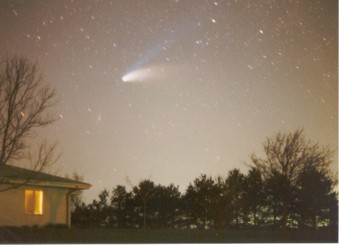 |
Comet Hale-Bopp 1997 |
||||||||||
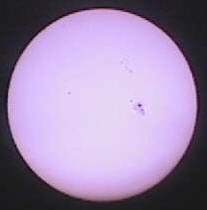 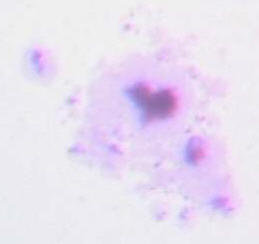 |
Large heart shaped sunspot 18 August 2002. This could also be seen without using a telescope by simply looking through the solar filter for eye protection. |
||||||||||
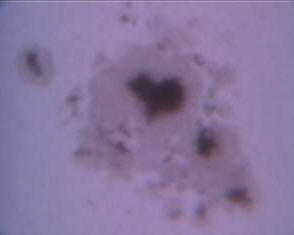 |
These sunspot pictures were taken through the 4" TV101 refractor telescope with a solar filter using a camcorder. | ||||||||||
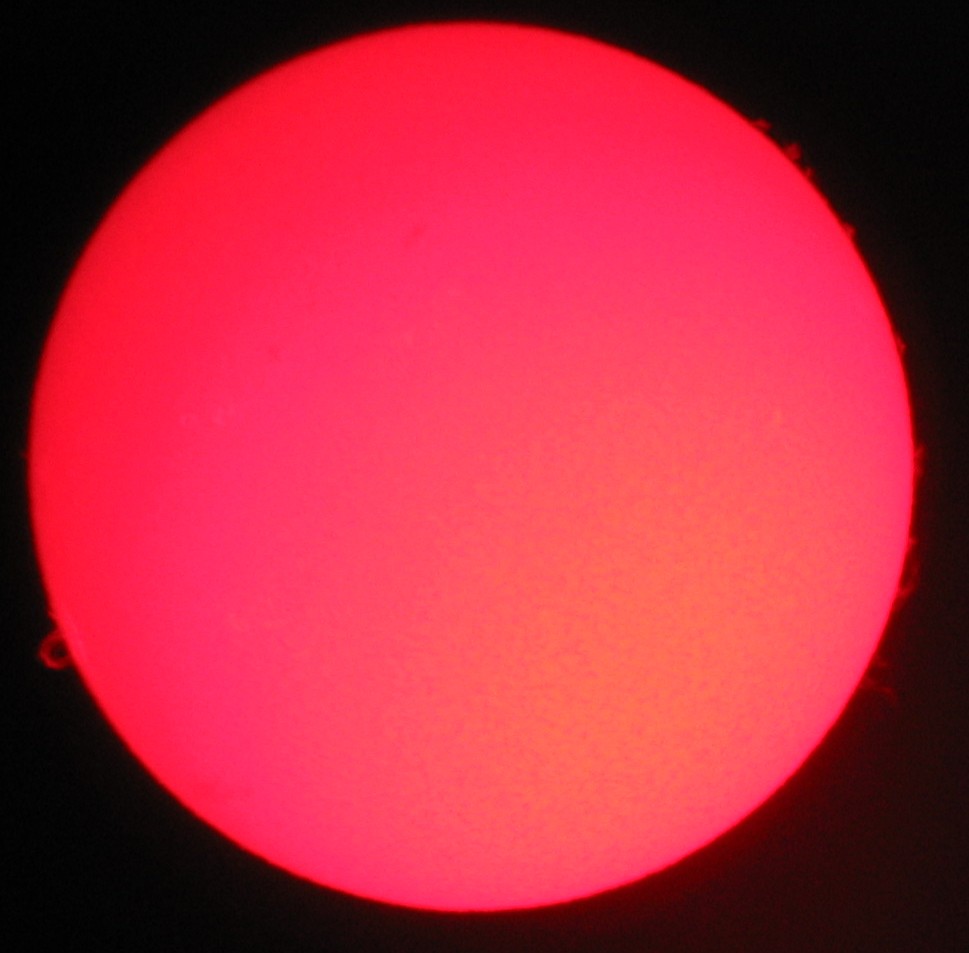 |
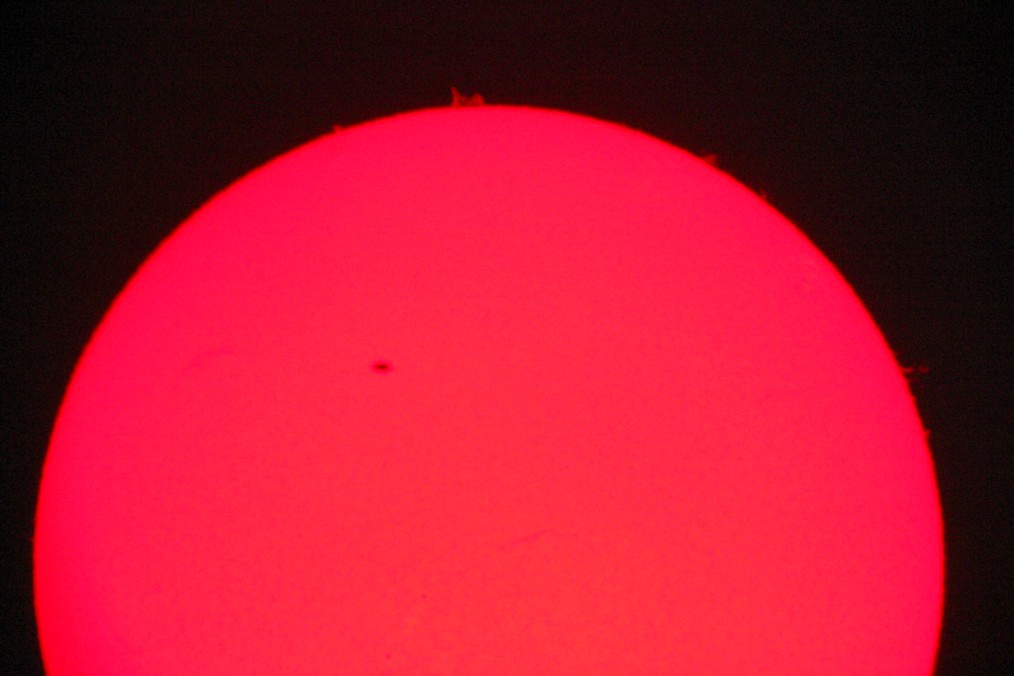
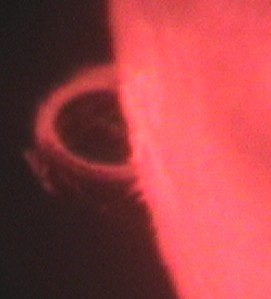
Sun as seen through a Hydrogen alpha filter. This low quality picture is not near as good as what your eye would see. Loop from large sunspot 7sept05. About 8 times the size of earth. | ||||||||||
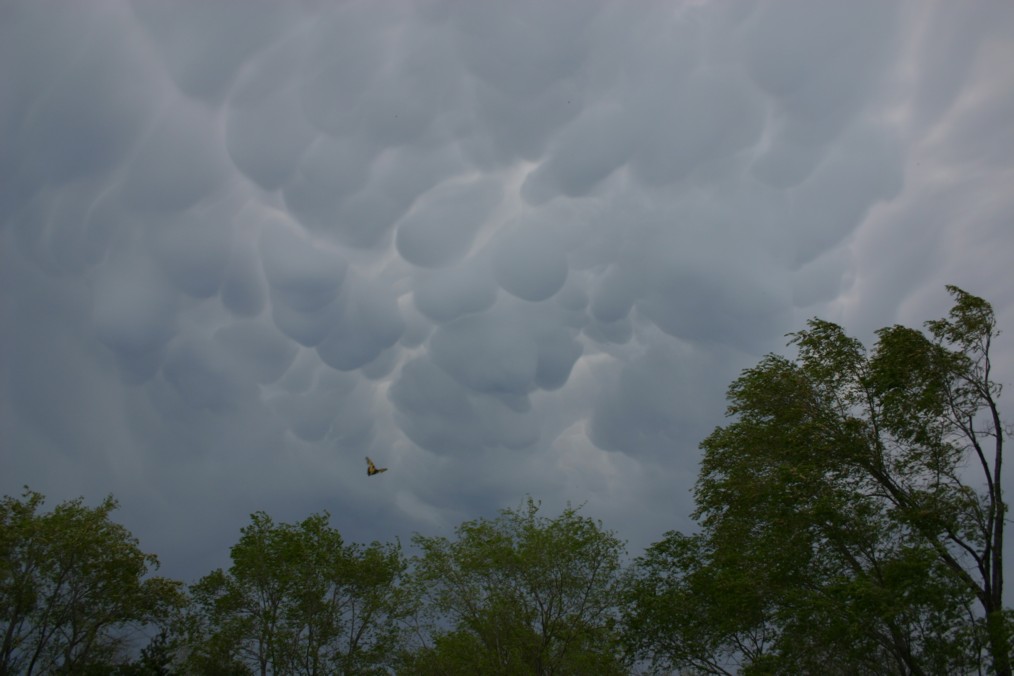 |
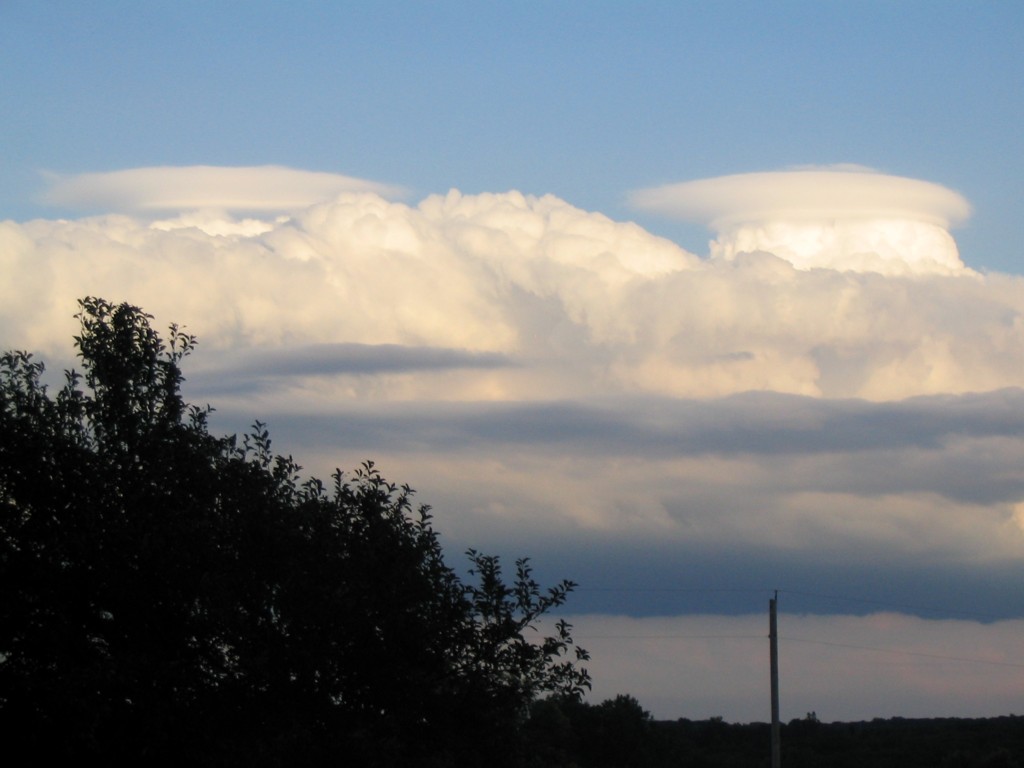
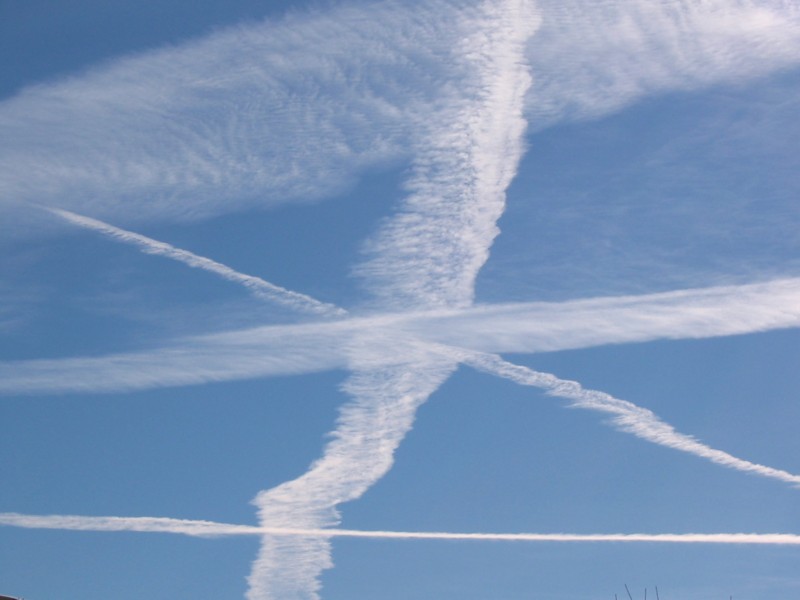
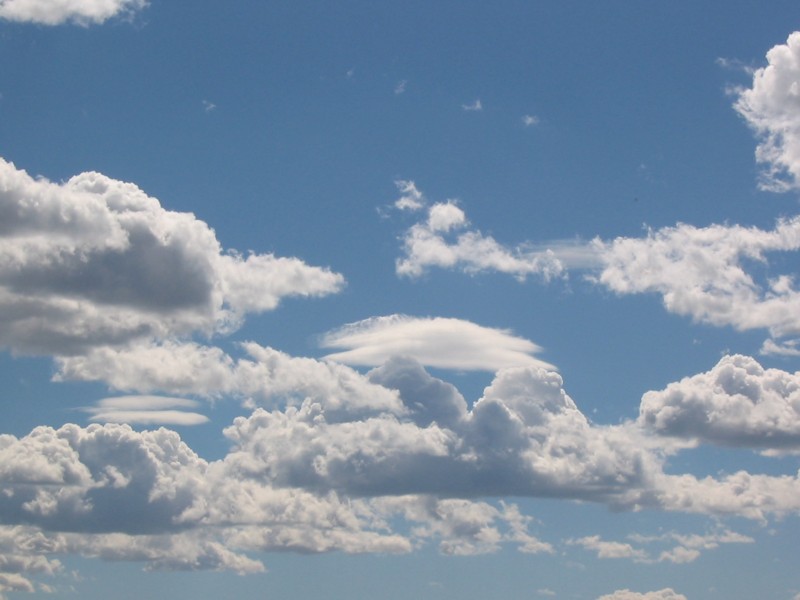
Clouds
|
 |
|||||||||
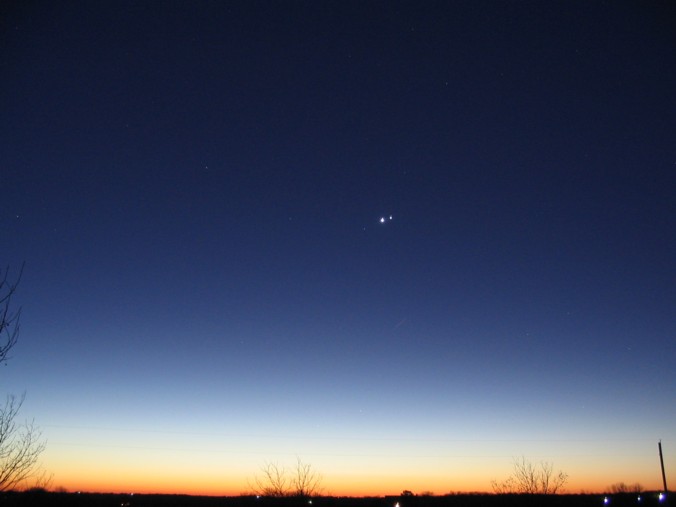 |
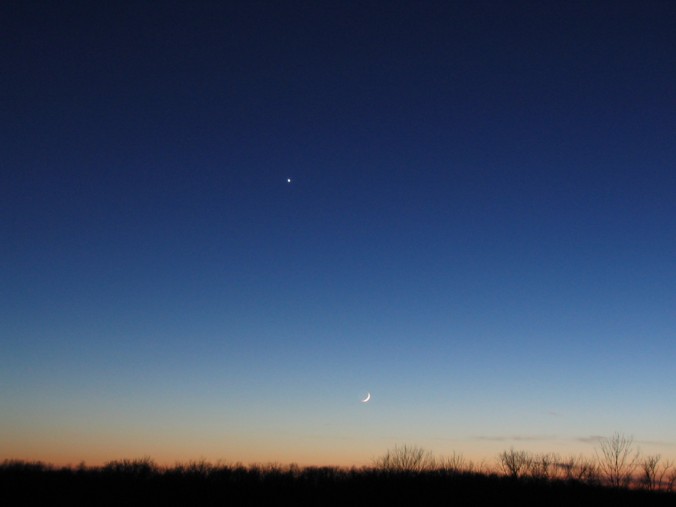
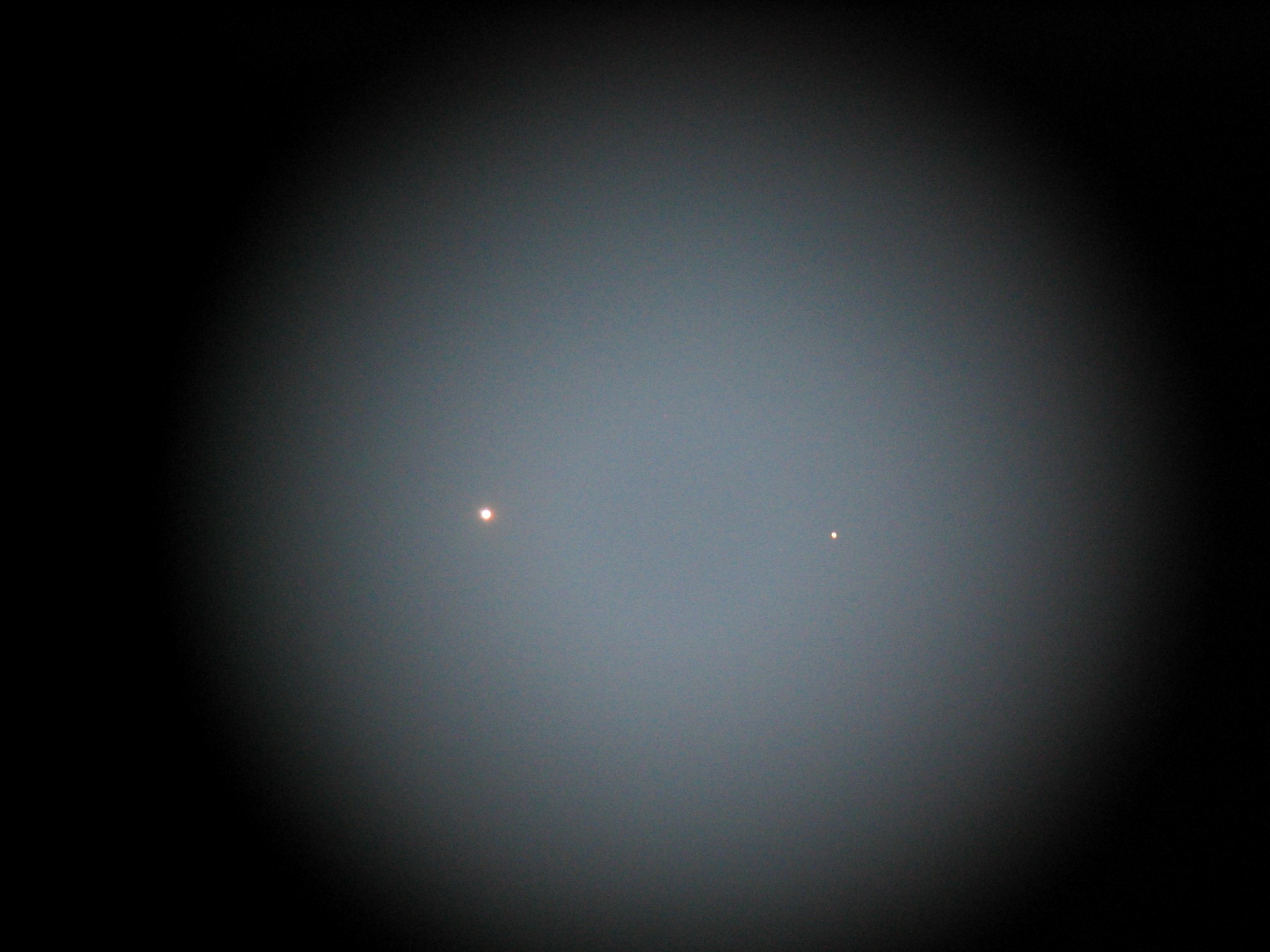
Venus & Jupiter |
||||||||||
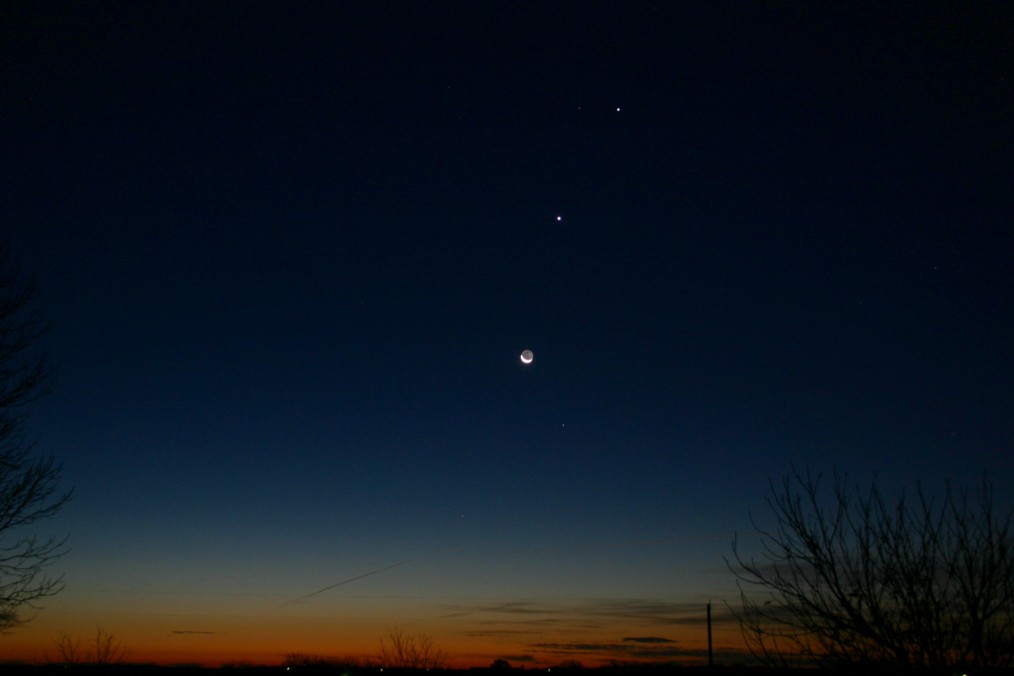 |
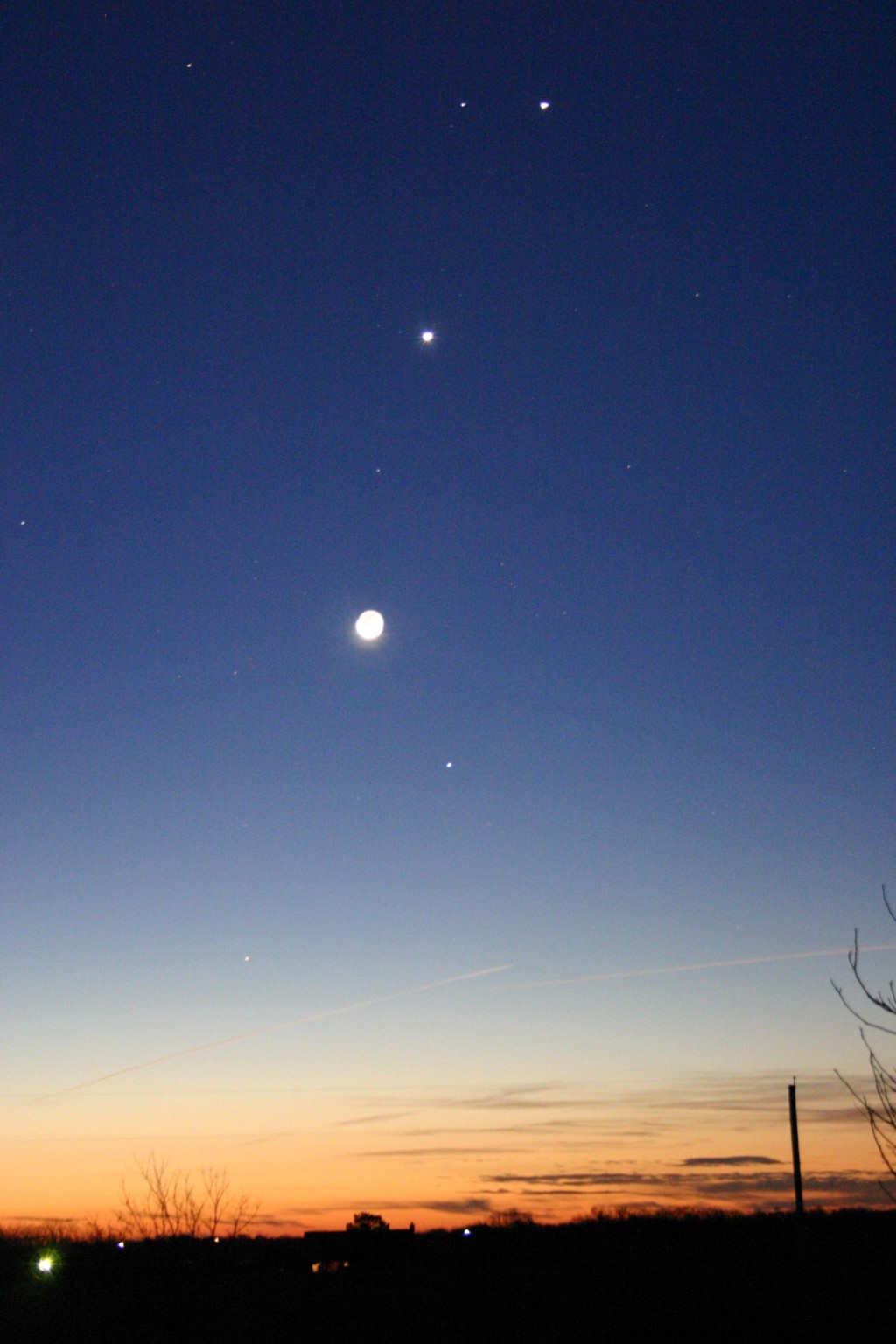
Mars, Moon, Venus, Jupiter 10 November 04 |
||||||||||

 |
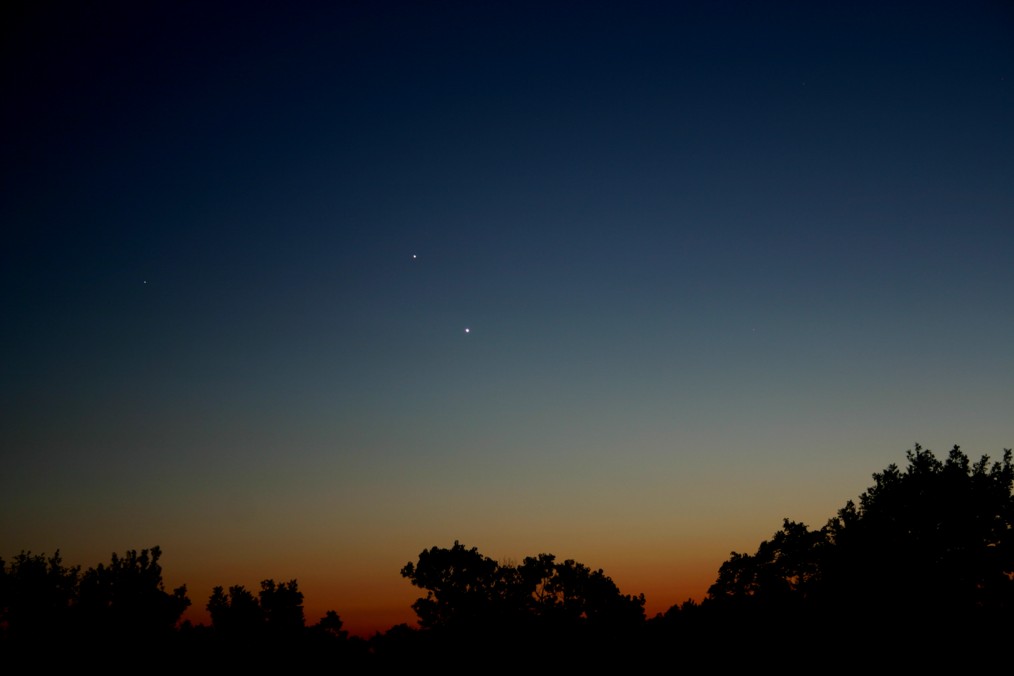
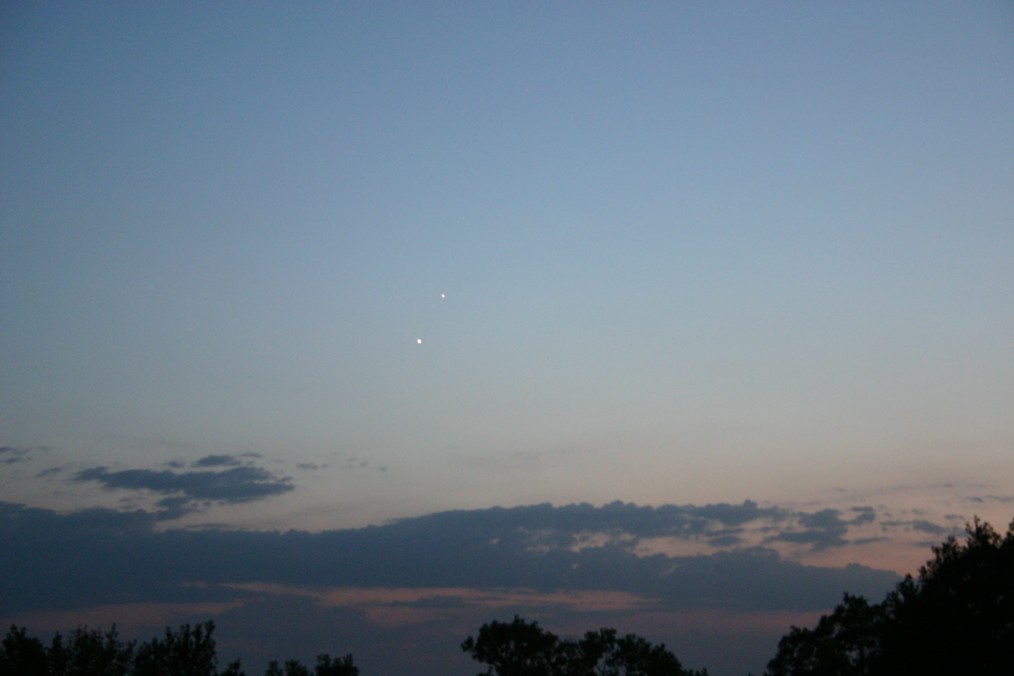
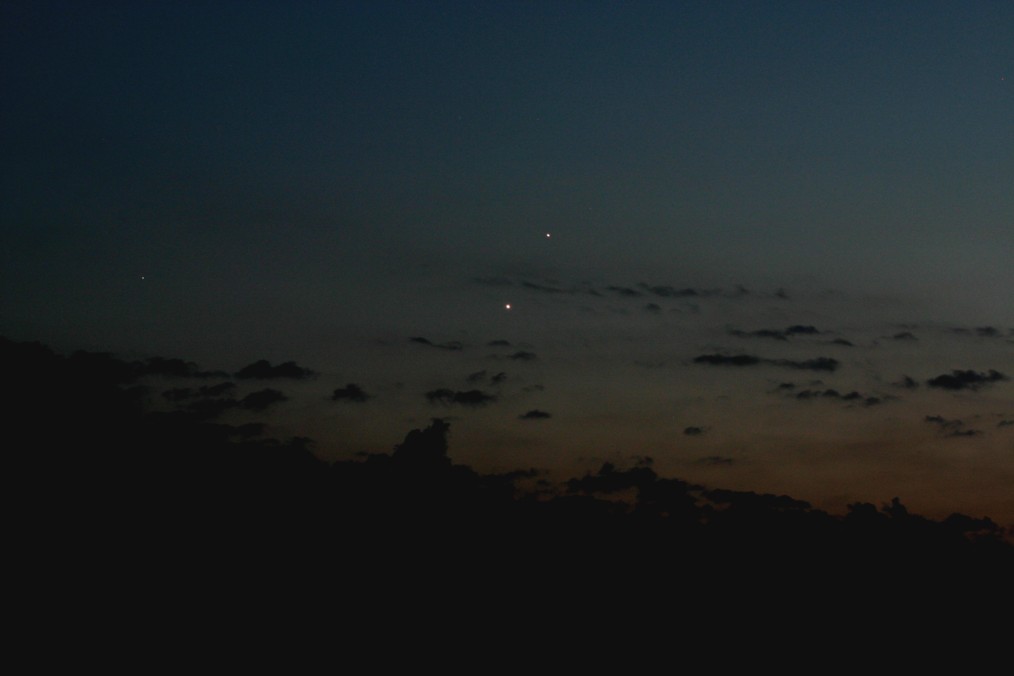
Saturn, Venus &
Mercury |
||||||||||
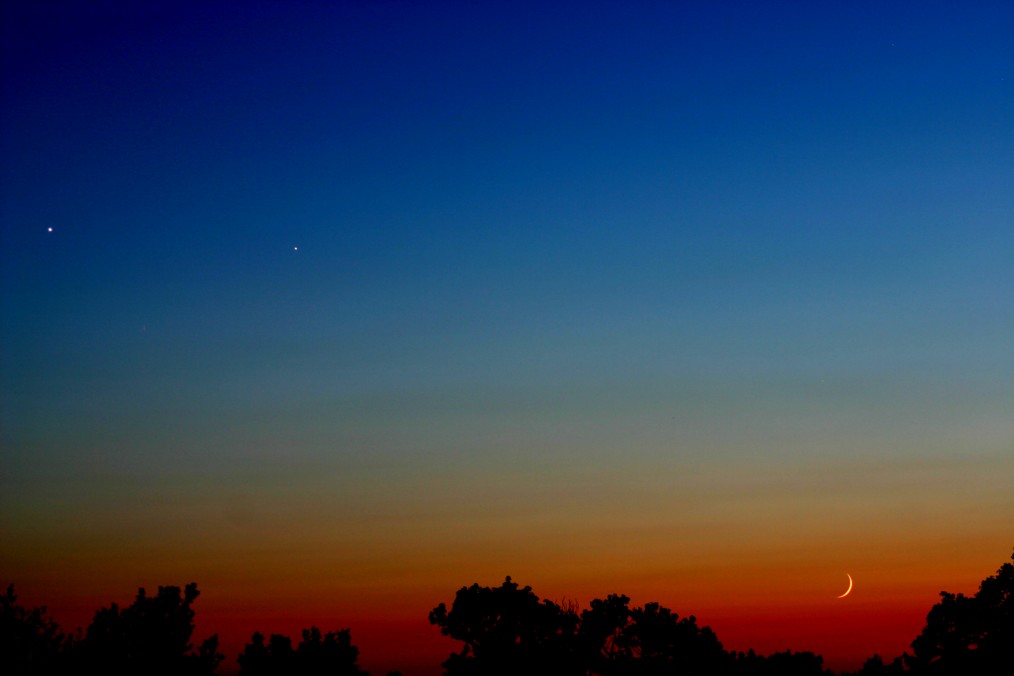 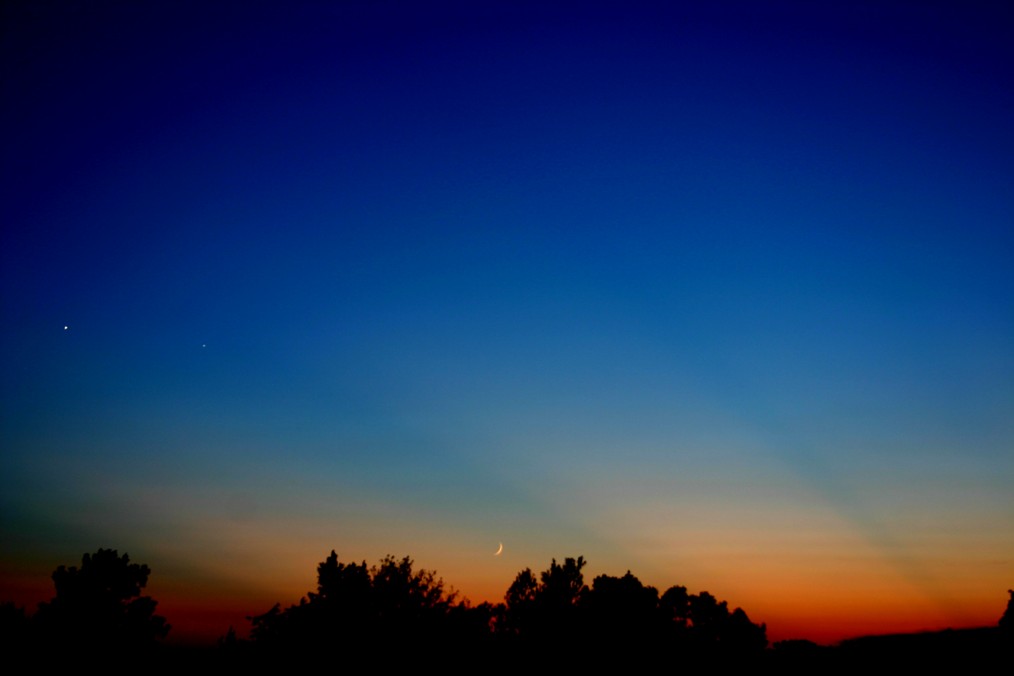 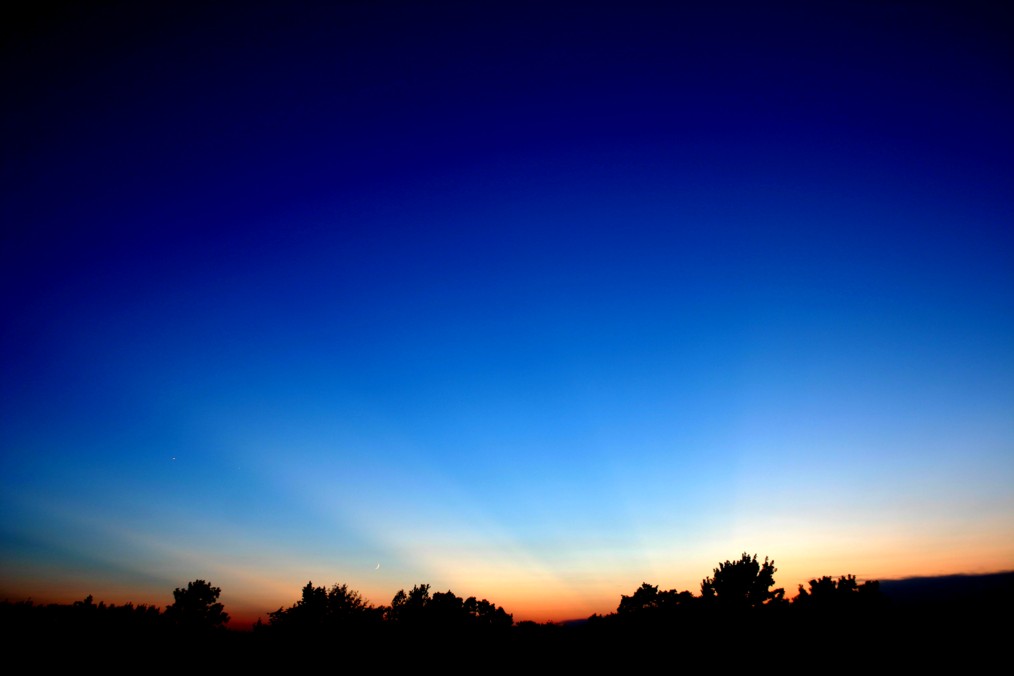 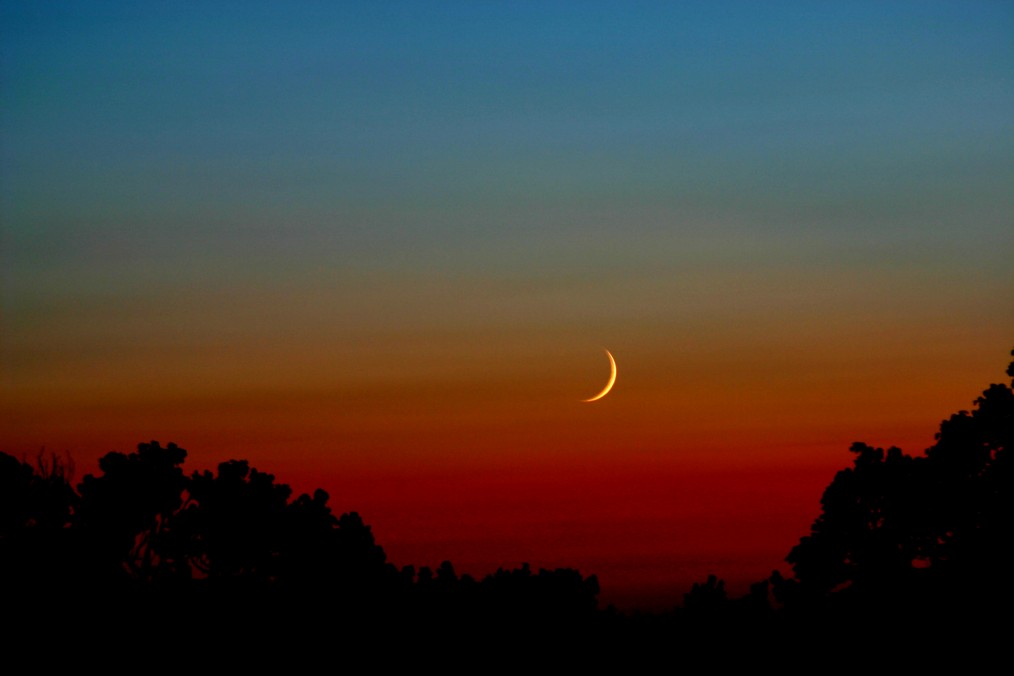 |
Jupiter, Venus, Moon Conjunction Kevin Rosero has collected 111 pictures from around the world of this 5 to 8 September 2005 conjunction. Click on The Conjunction Project to see his amazing report. |
||||||||||

 |
|||||||||||